Cel Animation
- cel
- traditional animation
- hand drawn animation
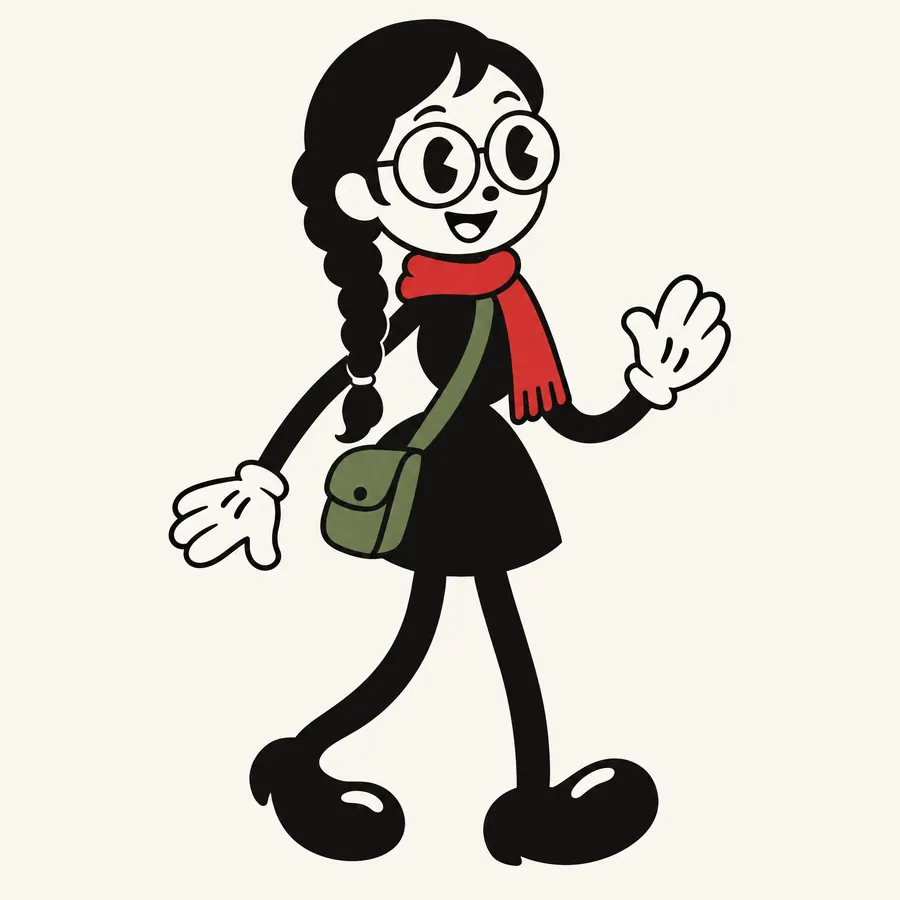
An inked character in flat paint, laid over a painted background that is made a different way.
Opens an image model with the prompt in it. The price is on the page before you sign in.
What it is for
A drawn figure reads as a character and a painted background reads as a place. Holding them apart is what lets a viewer accept a line drawing standing in a real wood, and it is the oldest trick the medium has.
How it works
The character is inked on a clear sheet and painted from behind, so the colour is flat and the line stays clean on top. The background is painted once, on paper, with no outline anywhere. The two are photographed together, which is why the figure always sits a fraction proud of the place it is in.
When to use it
Use it when the character has to carry the frame and the setting has to stay quiet behind it. It is the wrong choice when the scene itself is the subject, because a figure drawn this way will always pull the eye first.
Told apart from its neighbours
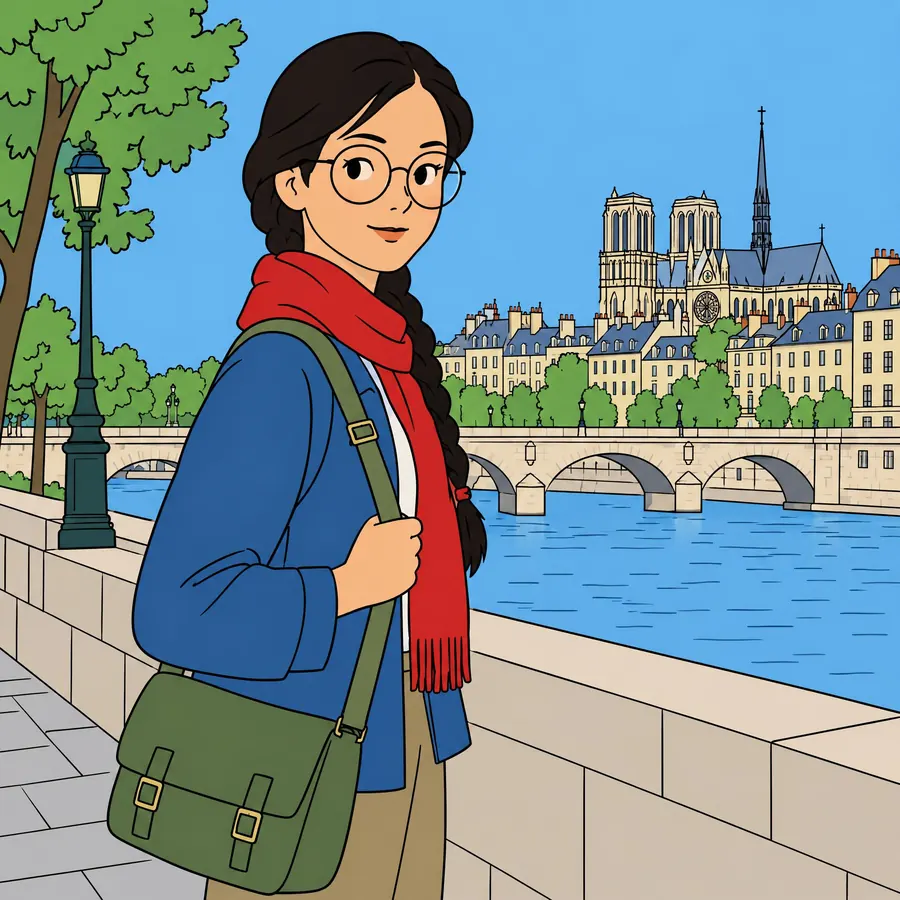
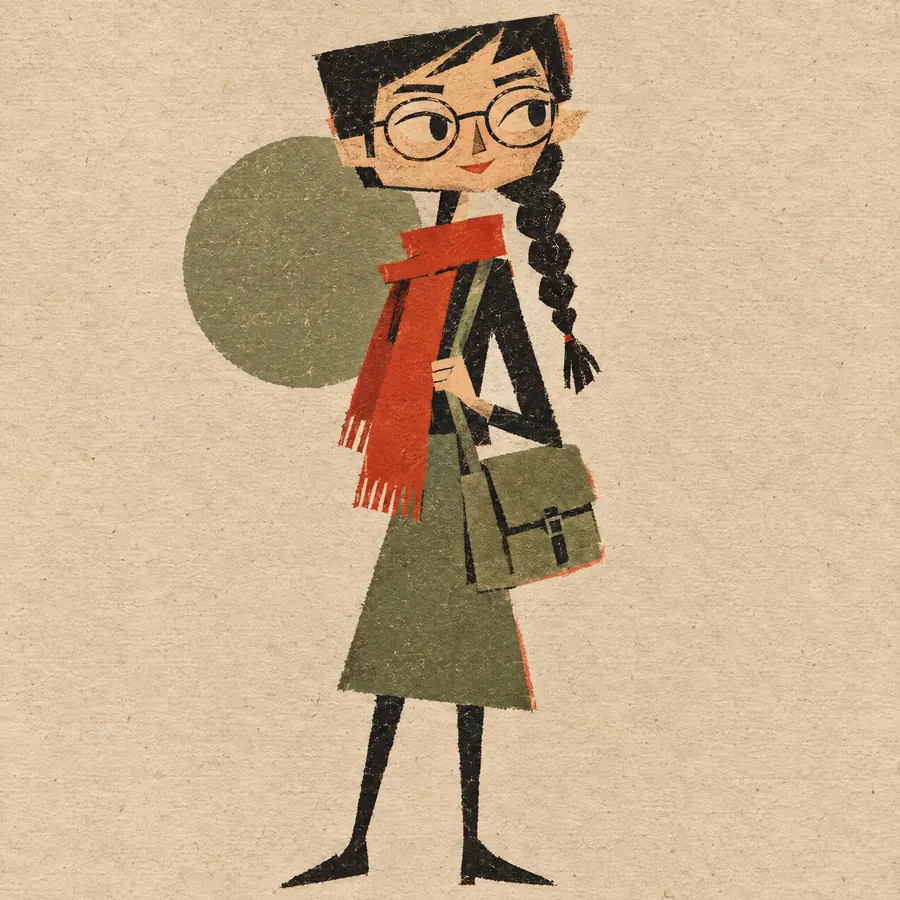
Anime Cel shares the flat paint but cuts the shadow into a hard graphic shape and thins the line. Ligne Claire drops the shadow altogether and outlines the background too. Cartoon Modern keeps the flat paint and throws away the roundness.
Where it is used
It is the default look for anything that wants to read as classic animation without naming a studio, and it carries a picture book, a title card and a music video equally well.
- Studio feature animation from the 1940s to the 1990s
- Saturday morning television
The prompt
Replace the blanks with your own character, keep the rest. Then run it on an image model.
<character>, cel animation style, a crisp black ink outline of even weight around the figure, flat opaque paint inside it in two tones only, a hard shadow shape rather than a gradient, the background painted in soft gouache with visible brushwork and no outline at all, the figure sitting slightly separate from it
What goes wrong
The usual failure is one flat world: the model outlines the background, and the figure stops standing out. The fix is a clause about the background alone, saying painted, soft and unoutlined.
Leave out
gradients on the character, a painted outline on the background, airbrush shading, photoreal texture, a sketchy line
Watch for
The whole look lives in the difference between the two layers. Ask for the background to be painted and unoutlined in the same sentence that asks for a hard line on the figure, or a model renders both the same way and the depth goes.
Questions
Draw it
Pay for the one run. No subscription, and the price is on the model page before you sign in.