Reverse Angle
- Delayed object of the look
- Restricted coverage
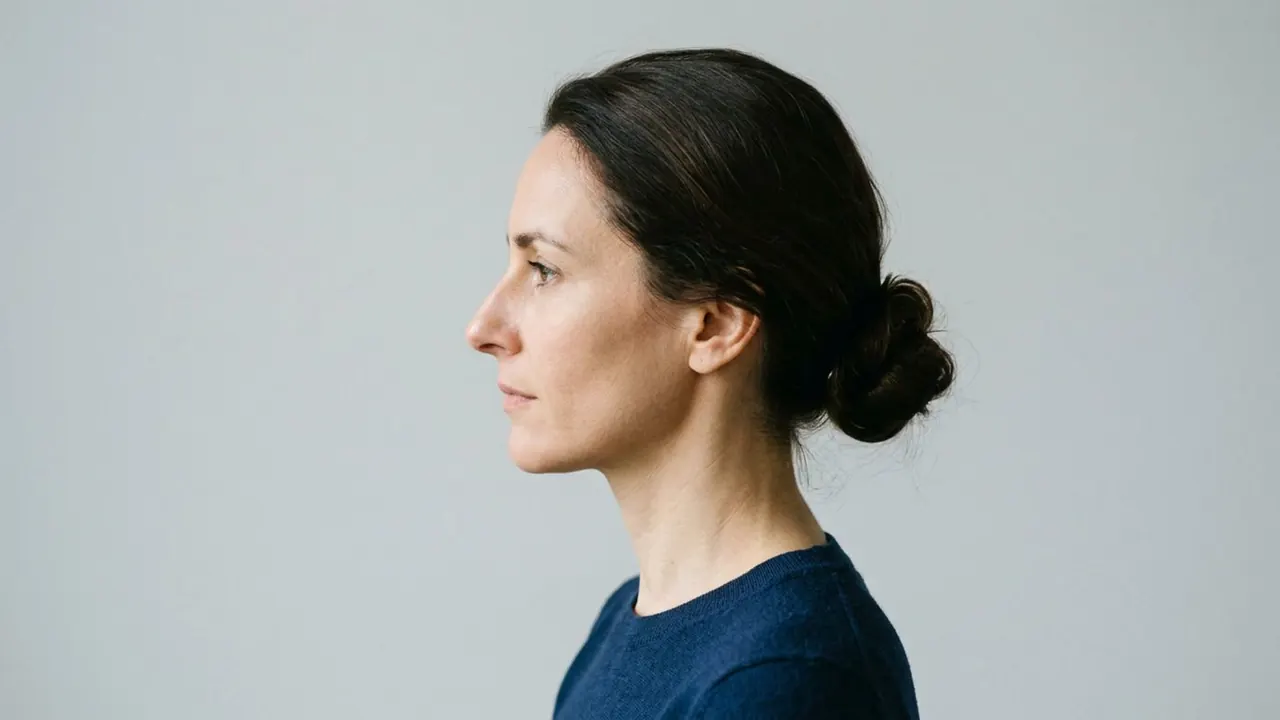
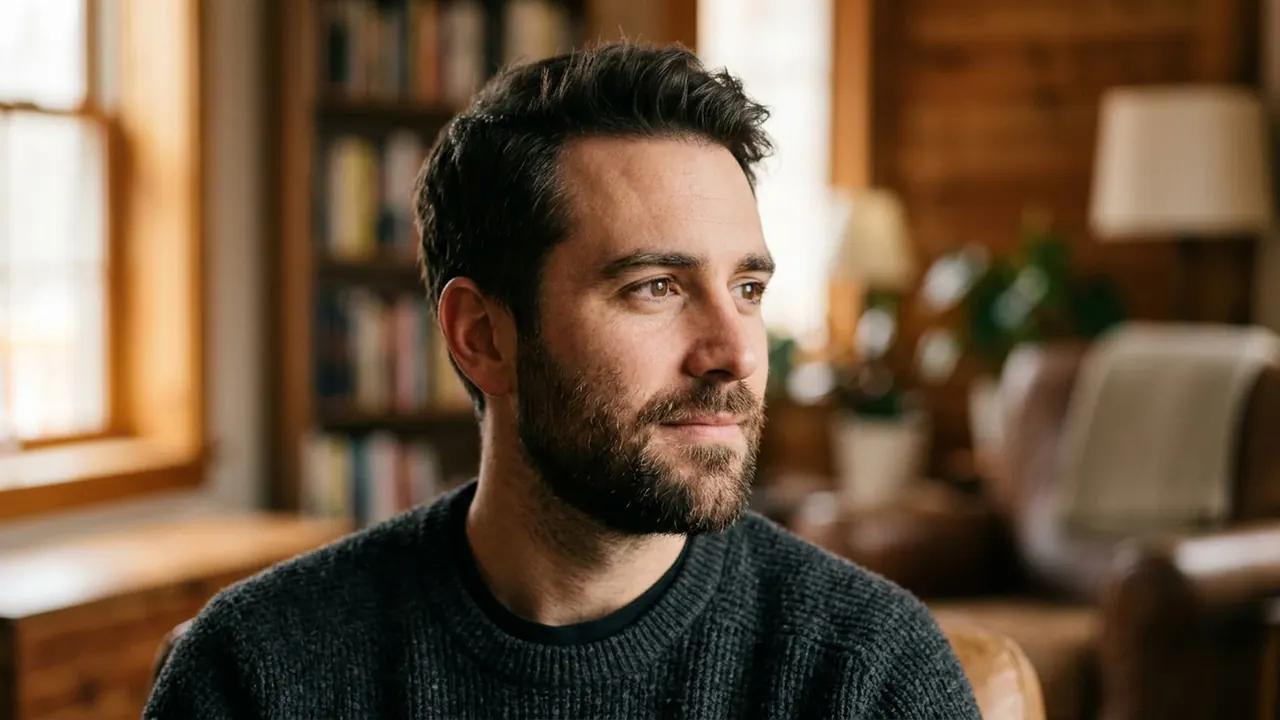
The camera turns around and covers the scene from the opposite side.
Opens a video model with the prompt in it. The price is on the page before you sign in.
What it is for
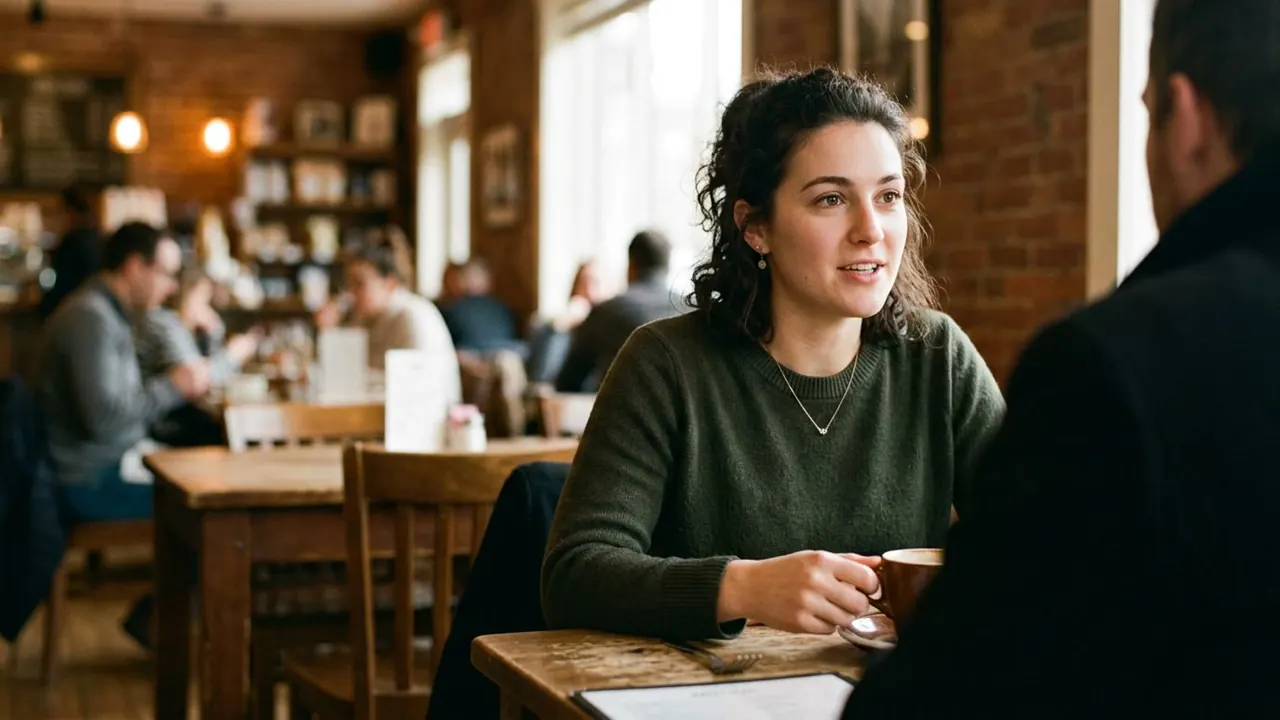
The camera crosses to the other side of the exchange and shows what was behind it. A reverse turns one angle into coverage, because the audience now has both ends of the look.
It also controls what the audience is allowed to know. Withholding the reverse keeps something off screen, and cutting to it is the moment of release.
How it works
The camera turns roughly one hundred and eighty degrees from the first setup and points back along the same eyeline. Whoever was looking left now looks right.
Both setups have to stay on one side of the imaginary line running between the two subjects. Cross it and the eyelines point the same way, so the two people appear to be looking past each other instead of at each other.
The reverse matches the original. Same lens, same height, same distance, mirrored. A reverse that changes any of those reads as a change in the scene rather than a change of speaker.
When to use it
Use it for any exchange between two people, for the answer to a look, and for the reveal of what a character has just seen.
Hold it back when the withholding is the point. A scene that refuses its reverse angle keeps the audience in one person's position and makes the eventual cut cost something.
Told apart from its neighbours
An over-the-shoulder shot keeps a piece of the near person in the corner of the frame. A reverse angle describes where the camera has moved to, and it can be an over-the-shoulder, a clean single or a wide.
One is a framing and the other is a position. You can shoot a reverse angle that has no shoulder in it at all.
On film
Michael Mann plays the coffee shop conversation in Heat (1995) as matched reverses that never cross the line, so two men at one table stay in a fixed geography for the whole scene.
- The Blair Witch Project (1999)
- Rosemary's Baby (1968)
- Heat (1995)
The prompt
Replace the blanks, keep the rest. Then run it on a video model.
reverse angle on <subject>, camera on the opposite side of the conversation, matching eyeline back the other way
What goes wrong
Models return the same angle again with a small shift, which is coverage of the same side. Say the camera is on the opposite side of the conversation with the eyeline running back the other way.
The second failure is a broken line. Name which way each person looks, because a reverse with both people looking the same direction breaks the space and the cut will not hold.
Leave out
same side, repeat angle
Watch for
Keep both angles on one side of the line, or the eyelines swap and the space breaks.
Questions
Shoot it
Pay for the one run. No subscription, and the price is on the model page before you sign in.