First-Person
- FPV character
- subjective camera
The camera stands in for the subject's own eyes.
Opens a video model with the prompt in it. The price is on the page before you sign in.
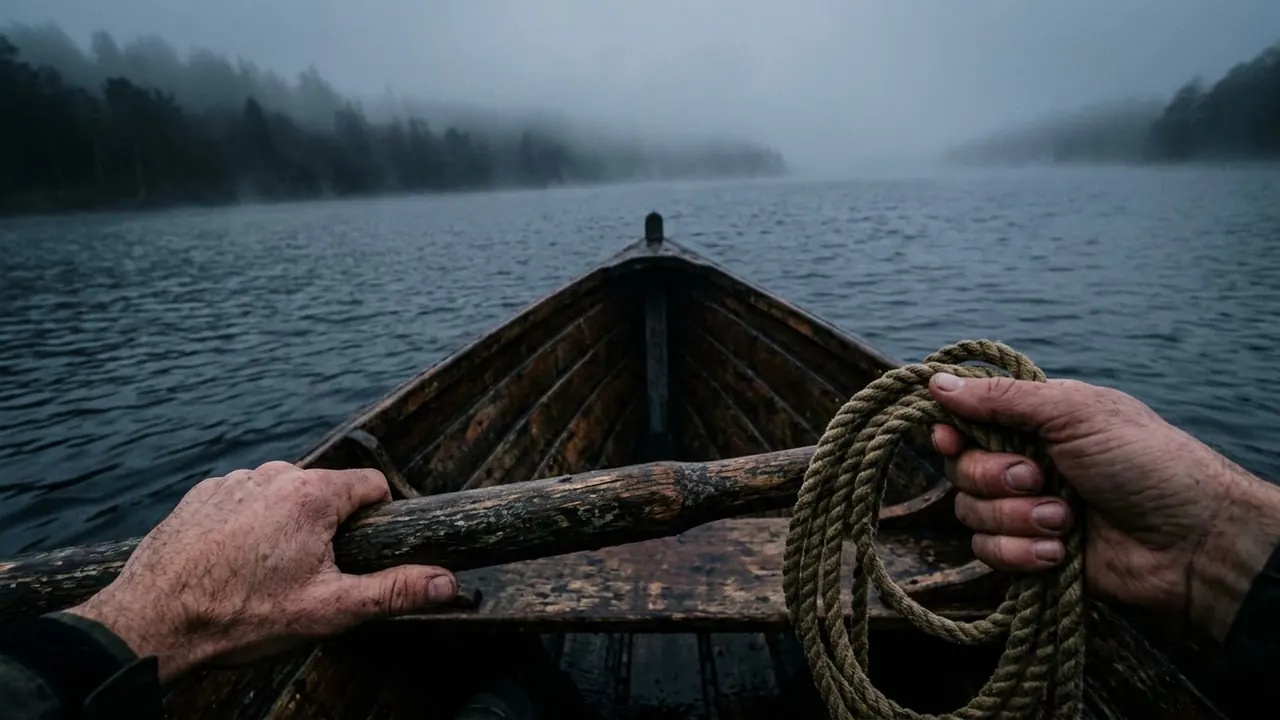
What it is for
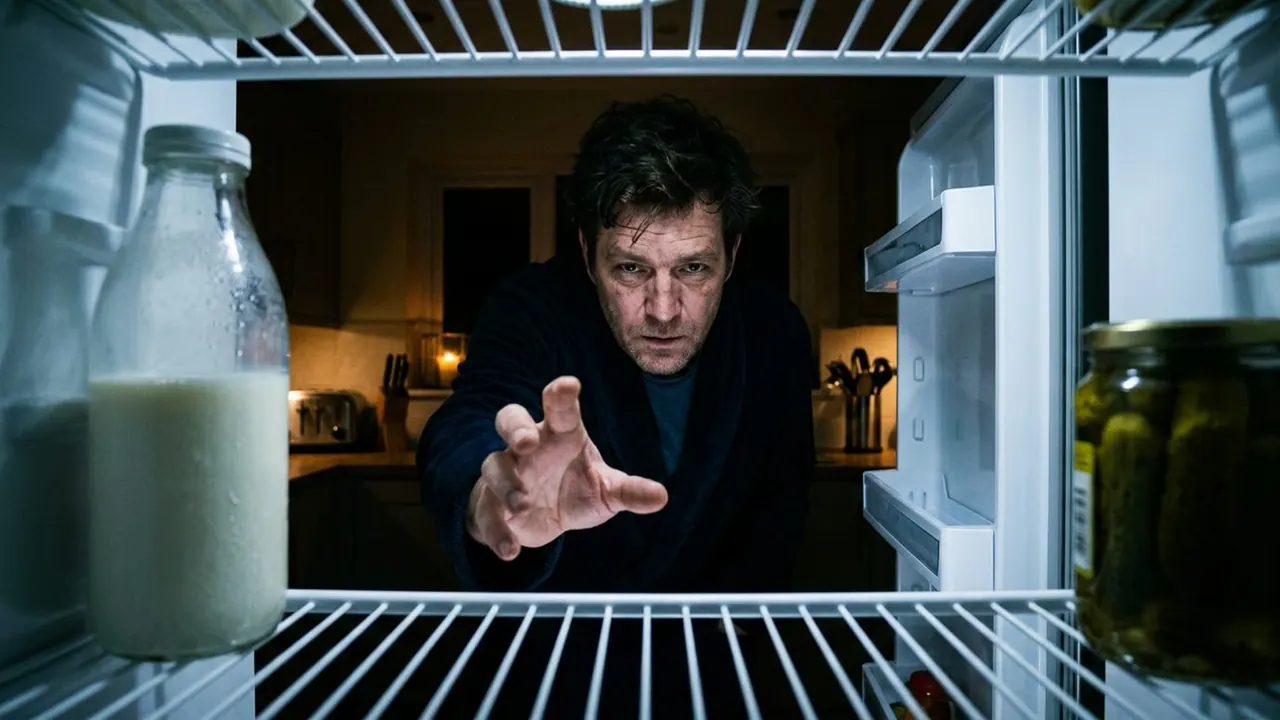
The camera becomes the subject's eyes and stays there. Hands come into frame from the edges, the head moves with every step, and the audience is given a body rather than a viewpoint.
It is the version of point of view that commits. A POV shot borrows a character's eyes for a moment, and first-person keeps them for a scene or a film.
How it works
The lens sits where the eyes would be and moves with the head. Every step lands in the frame, and a turn is a whip of the whole picture rather than a pan.
Hands are what makes it read. Arms entering from the bottom corners, reaching, holding, opening a door. Without them the shot is a camera wandering at head height.
A wide lens is usual, because human peripheral vision is wide, and rigs are built to keep the camera fixed to the performer rather than to a dolly.
When to use it
Use it for a sustained subjective sequence: a fight, a walk through a building, a game-like run. It suits anything the audience should feel they are doing.
Do not run it long without a reason. The viewer cannot see the character's face, so every reaction has to be carried by what the hands do and how the head moves.
Told apart from its neighbours
A POV shot is a single frame inside ordinary coverage, usually cut against a shot of the person looking. First-person is the whole grammar, and there is no cut back to a face.
The check is the hands. A POV rarely shows them. First-person needs them, because they are the only proof there is a body attached to the camera.
On film
Robert Montgomery shot almost the whole of Lady in the Lake (1947) from the detective's eyes, with his hands entering frame and his face only appearing in mirrors. Hardcore Henry (2015) runs the same idea for a feature, with the camera rigged to the performer for every scene.
- Lady in the Lake (1947)
- Hardcore Henry (2015)
The prompt
Replace the blanks, keep the rest. Then run it on a video model.
first person view as <subject>, camera where their eyes would be, hands entering frame at the edges, head motion on every step
What goes wrong
Models deliver a low wandering camera with nothing in it. Say hands enter the frame at the edges and name what they are doing.
The second failure is a camera that glides. A head does not dolly, so ask for head motion on every step and a whip when the character turns.
Leave out
third person, external view
Watch for
Put the hands in frame. Without them the shot is just a low wandering camera.
Questions
Shoot it
Pay for the one run. No subscription, and the price is on the model page before you sign in.