High Angle
- High angle shot
- Elevated observation
The camera looks down at the subject and makes them smaller.
Opens a video model with the prompt in it. The price is on the page before you sign in.
What it is for
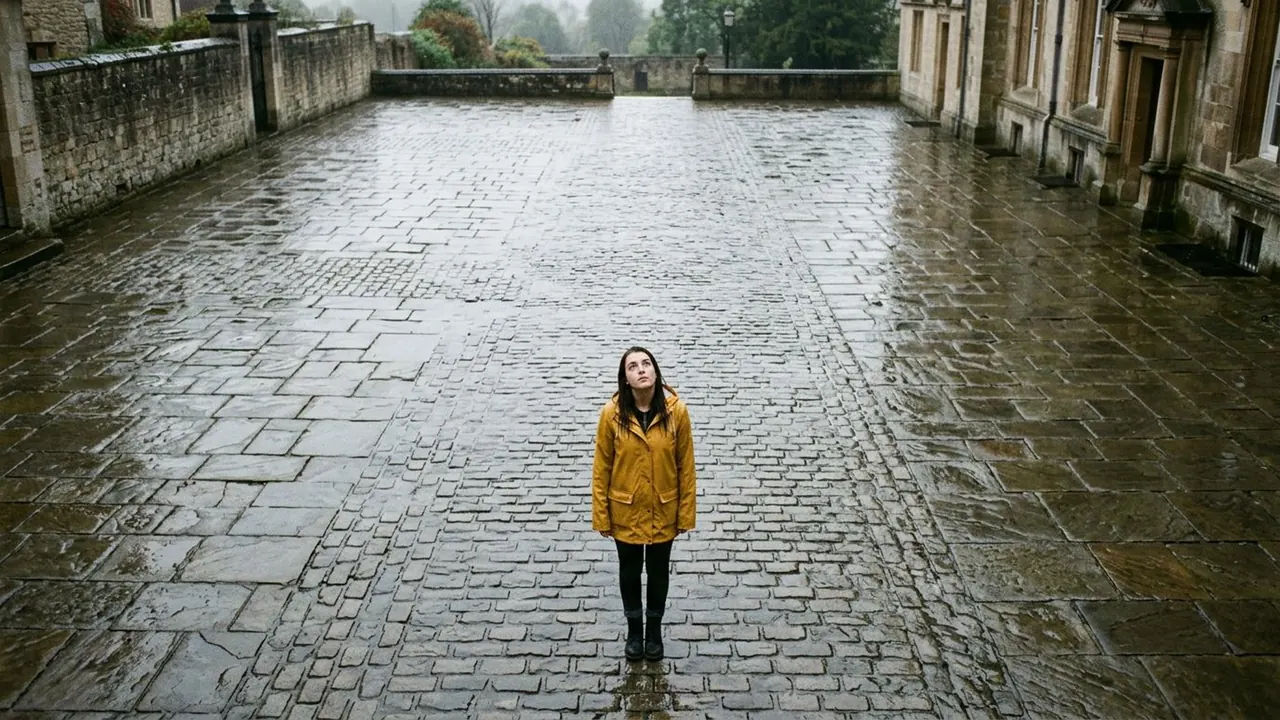
The camera looks down and the subject shrinks. Nothing in the performance has to change for the audience to read somebody as cornered, watched or out of their depth.
The angle also hands the audience a position of safety. You are above the scene, which is a comfortable place to watch something bad happen from.
How it works
The camera sits above the subject's eye line and tilts down. A few feet of height is enough on a close shot. A staircase, a balcony or a crane gives the steeper versions.
How far down decides how hard it reads. Ten degrees is a quiet nudge that most viewers never notice. Forty five degrees is a statement. Past that the floor starts filling the frame and the shot heads toward an overhead.
The background matters as much as the height. Looking down puts the ground behind the subject, so a figure at a high angle is set against a floor rather than against a sky.
When to use it
Use it when somebody loses control, when they are being observed, and when the geography of a room needs to be legible during action.
Do not put it on a character who is supposed to hold the room. The angle argues with the performance and the angle usually wins.
Told apart from its neighbours
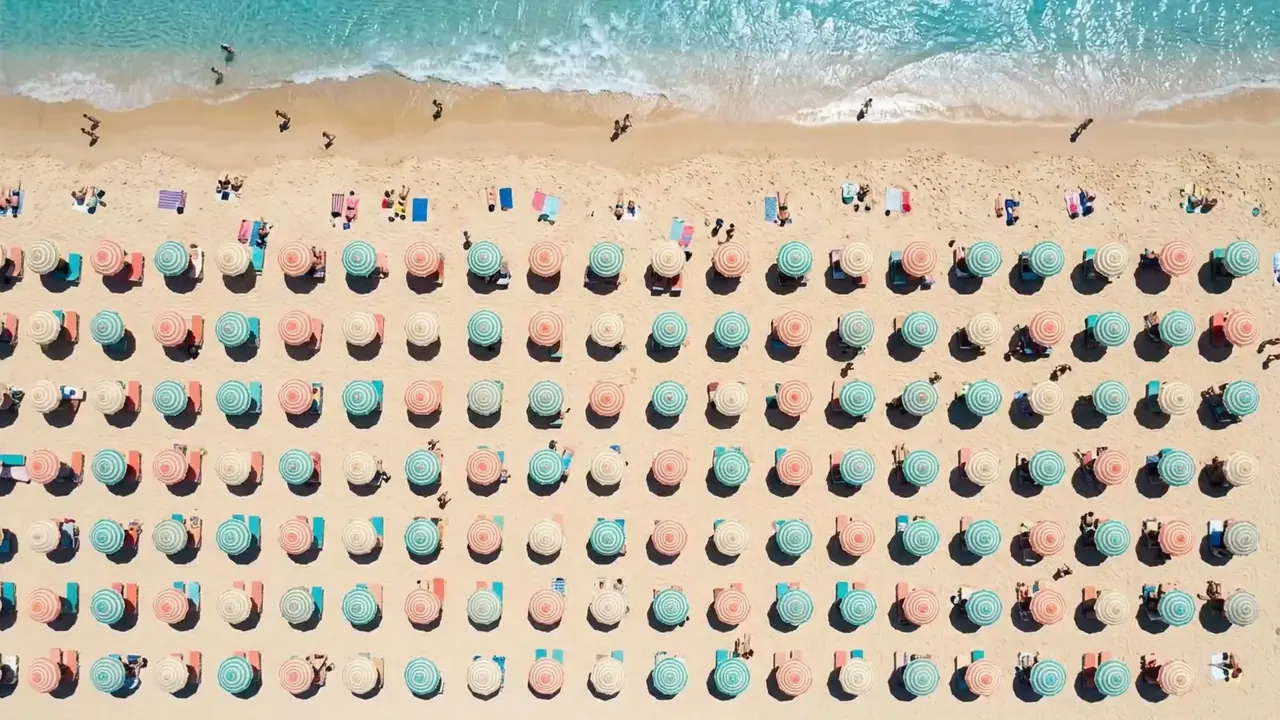
A bird's eye view looks straight down from far above and turns people into shapes. A high angle keeps the face readable and keeps a horizon somewhere in the frame.
The check is whether you can still see where the floor ends. If you can, it is a high angle. If the ground fills the whole frame, you have gone overhead.
On film
Alfred Hitchcock cuts to a high angle looking down the stairwell in Psycho (1960) as Arbogast reaches the landing, and the height takes away any chance he has. Frank Darabont ends the escape in The Shawshank Redemption (1994) by craning up and away from Andy in the rain, which turns a man standing in a field into a figure seen from above.
- Psycho (1960)
- The Shawshank Redemption (1994)
The prompt
Replace the blanks, keep the rest. Then run it on a video model.
high angle on <subject>, camera above looking down, subject diminished in the frame
What goes wrong
Models round the angle back to eye level, because that is where they put a camera by default. Say the camera is above the subject and looking down, and give the degree of tilt if the shot depends on it.
The second failure is an angle that fights the beat. A high angle makes the subject smaller, so a prompt that also asks for a commanding, powerful figure returns one instruction or the other.
Leave out
low angle, eye level
Watch for
Down means weaker. Do not use it on a character who should hold the room.
Questions
Shoot it
Pay for the one run. No subscription, and the price is on the model page before you sign in.
Next to it in the height ladder