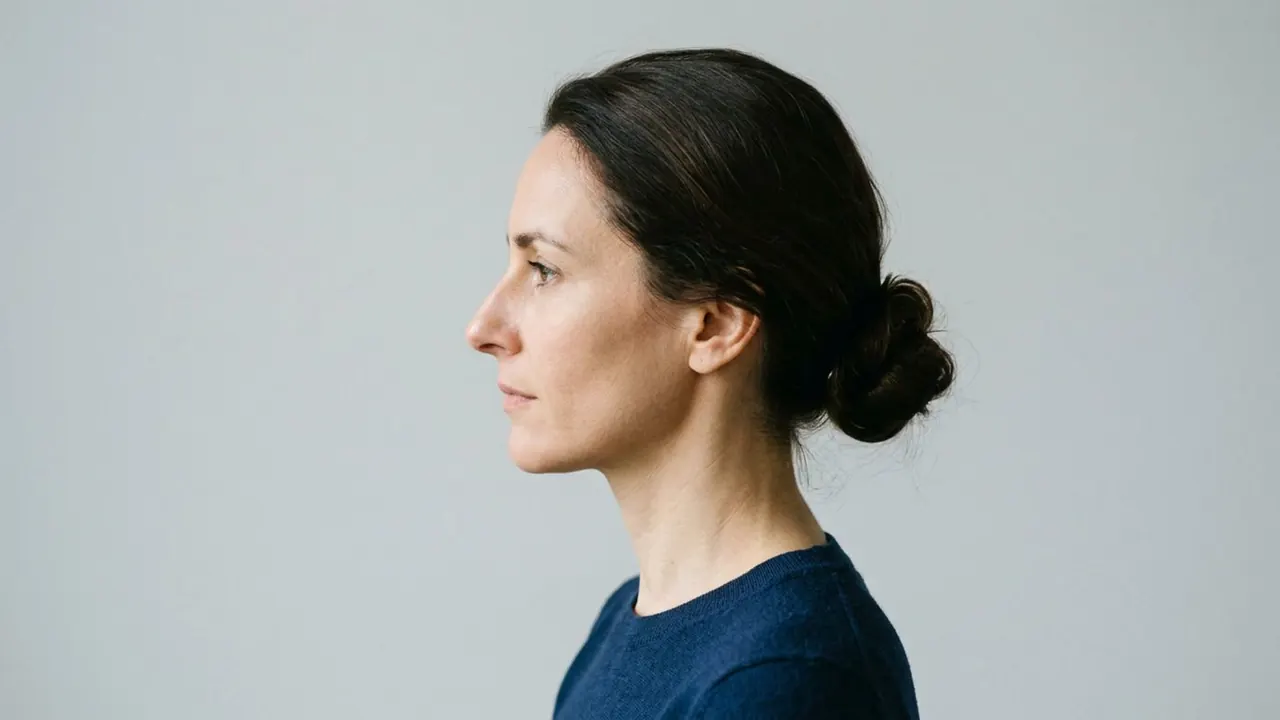
Three-Quarter Angle
The subject turns about halfway between front and profile.
Opens a video model with the prompt in it. The price is on the page before you sign in.
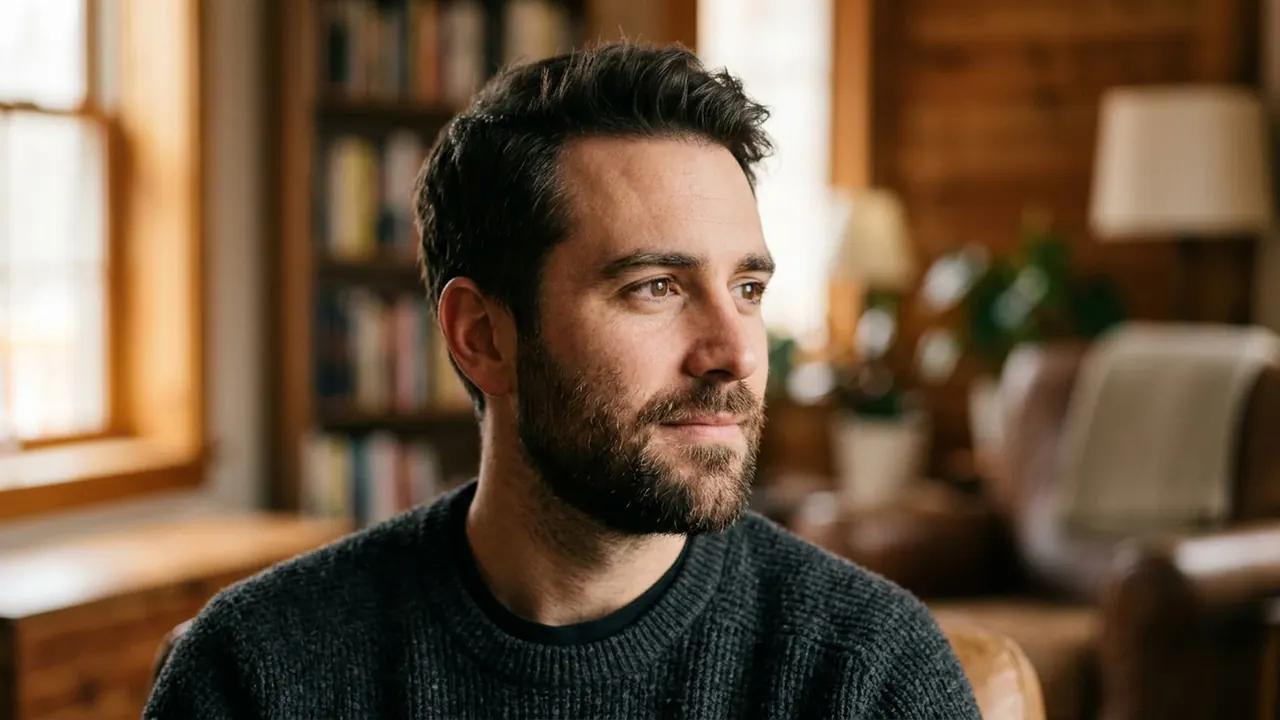
What it is for
Halfway between front and side is where a face looks most like a face. The nose comes off the cheek, the jaw has an edge, and both eyes stay available to the audience.
It is the default of portraiture for that reason, and it carries into film as the angle a subject is turned to when nobody wants the framing to make a point.
How it works
The subject turns roughly forty five degrees from the lens. One cheek comes toward camera and the far eye sits closer to the edge of the face than to the middle of it.
Light usually comes from the far side, so the near cheek carries a shadow and the small triangle of light under the far eye appears. That triangle is the classic mark of the angle and the reason portrait lighting is named after it.
The turn is the subject's, not the camera's. A camera that moves around a static face gets the same result, and on a set the actor is usually the one who turns.
When to use it
Use it as the standard for interviews, portraits and any single where the face should read well and the angle should say nothing.
Move off it when the frame has a point to make. A full profile closes the subject off and a straight front-on look confronts the audience, and three-quarter does neither.
Told apart from its neighbours
A profile is ninety degrees, with the far eye hidden behind the nose. Three-quarter stops at about forty five and keeps both eyes in frame.
Watch the far eye as the head turns. The moment it disappears behind the bridge of the nose, the angle has gone to profile.
The prompt
Replace the blanks, keep the rest. Then run it on a video model.
three quarter view of <subject>, face turned about forty five degrees from the lens, both eyes visible, one cheek catching light
What goes wrong
Models drift to front on, because a symmetrical face is the safest thing they can return. Say the face is turned about forty five degrees from the lens with both eyes visible.
The other failure is a turn that overshoots into profile. Repeat the eye count in the prompt, because it is the one instruction that is checkable in the output.
Leave out
profile, front on
Watch for
Both eyes stay visible. Lose one and it has gone to profile.
Questions
Shoot it
Pay for the one run. No subscription, and the price is on the model page before you sign in.