Low Angle
- Low angle shot
- Tatami-level composition
- Ozu-style low camera
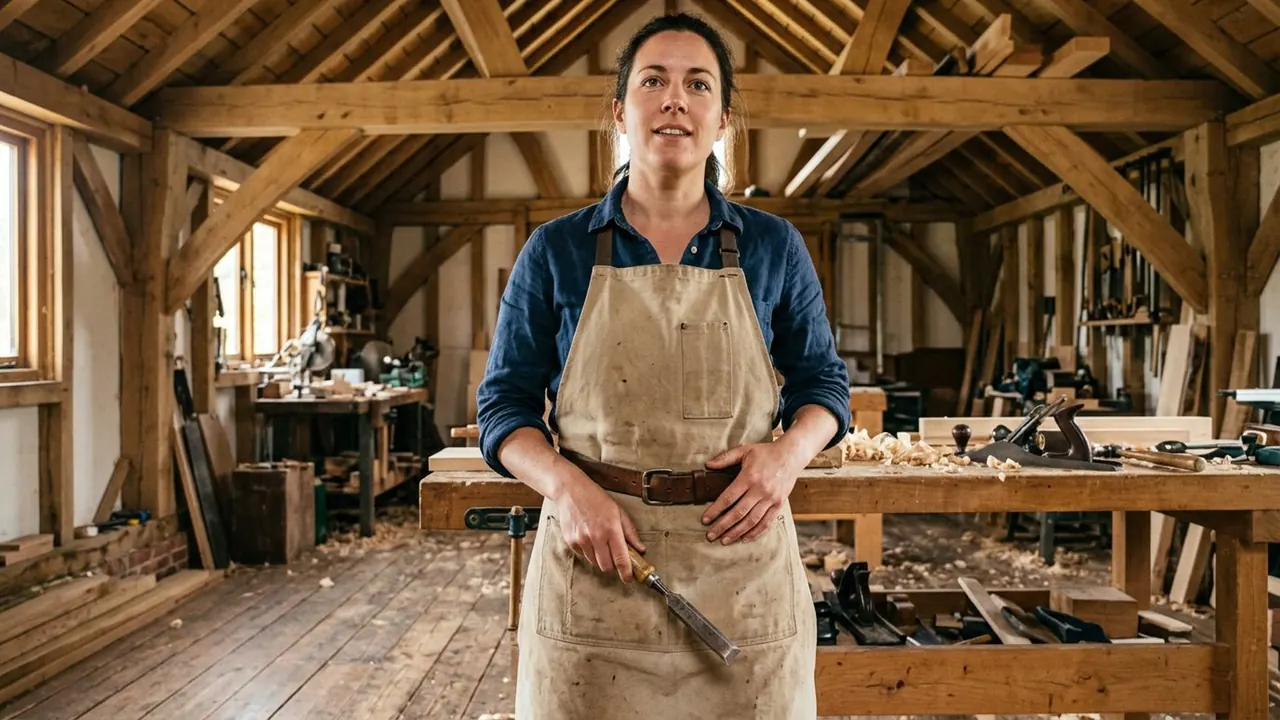
The camera looks up at the subject and makes them large.
Opens a video model with the prompt in it. The price is on the page before you sign in.
What it is for
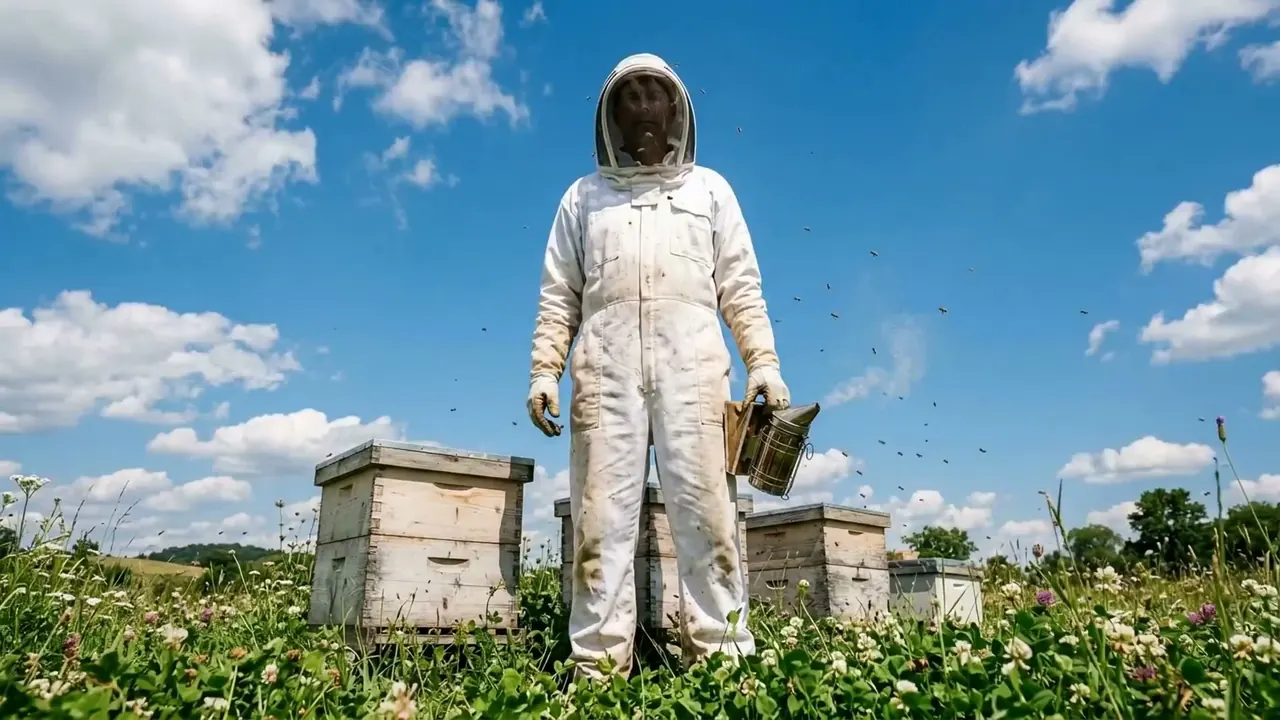
Looking up makes the subject bigger than the person watching. Height, threat and authority arrive without anybody acting them.
It also changes what is behind the head. A low camera fills the background with sky or ceiling, which clears the clutter and leaves the subject alone against something large.
How it works
The camera sits below the subject's eye line and tilts up. A foot below the eyes is a mild version. A camera on the floor looking up is a strong one.
A wide lens close to the subject exaggerates the effect, because whatever is nearest the lens grows. That is where the looming, slightly bent look of a hard low angle comes from.
The angle needs something to measure against. A figure against open sky reads as tall. The same figure against a low fence reads as a person standing on a slope.
When to use it
Use it on entrances, on a character taking control of a scene, and on anything that should feel bigger than the camera.
Do not use it on somebody who is losing. The geometry says strength, and it will argue with a performance that says the opposite.
Told apart from its neighbours
A worm's eye view puts the camera on the ground and looks steeply up, so the verticals converge hard and the subject bends away from the lens. A low angle can be mild and usually keeps the subject looking like themselves.
The test is the vertical lines. If the walls or the doorframes visibly lean toward each other, you are in a worm's eye view.
On film
Orson Welles and Gregg Toland shot much of Citizen Kane (1941) from below, digging the camera into the floor and building ceilings into the sets so the low angle had something to look up at. Yasujiro Ozu kept his camera near the floor through Tokyo Story (1953) and Late Spring (1949), at the height of somebody kneeling on a tatami mat, which is a low angle used for calm rather than for power.
- Tokyo Story (1953)
- Late Spring (1949)
- Citizen Kane (1941)
The prompt
Replace the blanks, keep the rest. Then run it on a video model.
low angle on <subject>, camera below looking up, subject towering against what is behind them
What goes wrong
The camera comes back at eye level, or the tilt is there and the subject has nothing above them. Say the camera is below looking up and name what the subject towers against, usually sky or ceiling.
The second failure is a low angle with a clean background that could be anywhere. Give the model the ceiling or the skyline so the height has a reference.
Leave out
high angle, eye level
Watch for
Give the subject something to tower against, usually sky or ceiling.
Questions
Shoot it
Pay for the one run. No subscription, and the price is on the model page before you sign in.
Next to it in the height ladder