Fourth Wall
- Narration
- Subjective verbal commentary
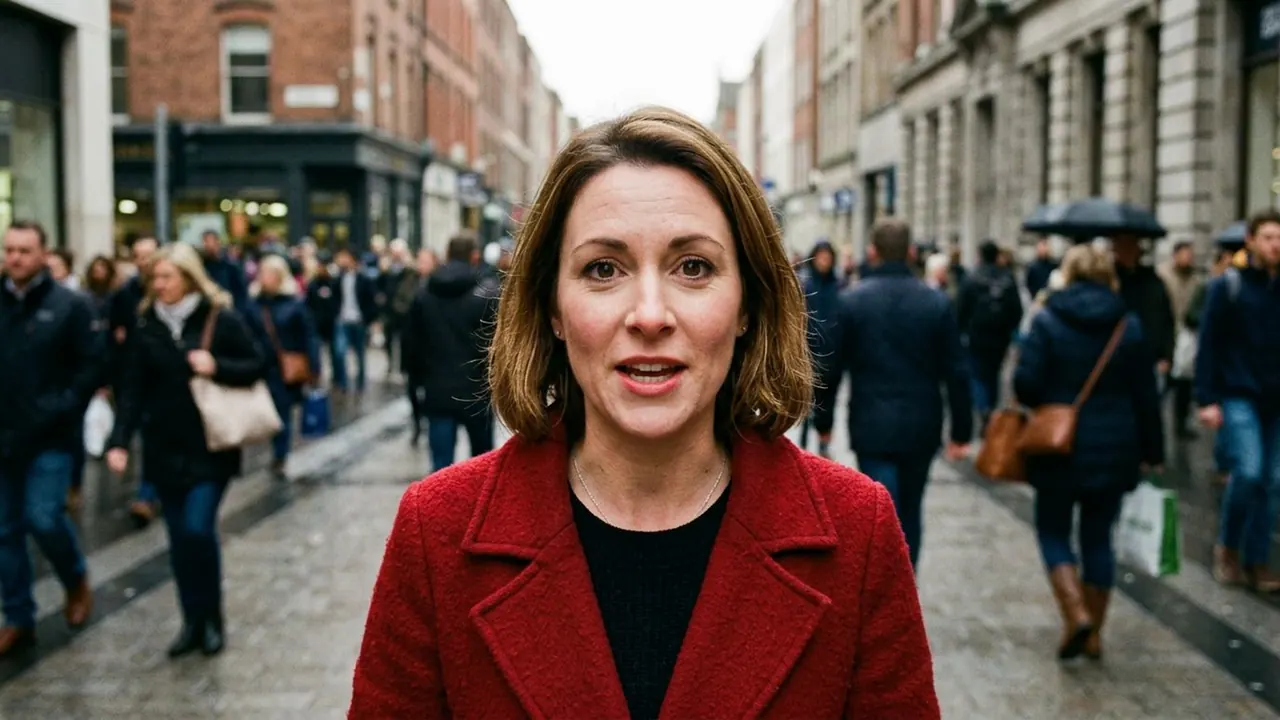
The subject looks into the lens and speaks to the audience.
Opens a video model with the prompt in it. The price is on the page before you sign in.

What it is for
The subject looks into the lens and speaks to the audience. The pretence that nobody is watching ends, and the viewer is addressed as a person in the room.
It changes the contract for as long as it lasts. A character who can see the audience can lie to them, recruit them, or ask them for something, and none of that is available inside ordinary coverage.
How it works
The eyes go to the lens and stay there. Held contact is what separates a deliberate address from an accidental glance, so the look has to outlast a moment of doubt.
The camera is usually still. Movement suggests an observer with a body, and a fourth wall address works better when the lens is simply a place the character is talking to.
Framing is close enough for the eyes to read, so a medium close-up or tighter. At wider sizes the audience cannot tell whether the look landed on them or past them.
When to use it
Use it for comedy, for a narrator who is also a character, and for the moment a film wants to admit that it is a film.
Do not use it as a flourish in a scene built on realism. Once the wall comes down it is hard to put back up, and the rest of the coverage now has to explain why nobody looks at the lens any more.
Told apart from its neighbours
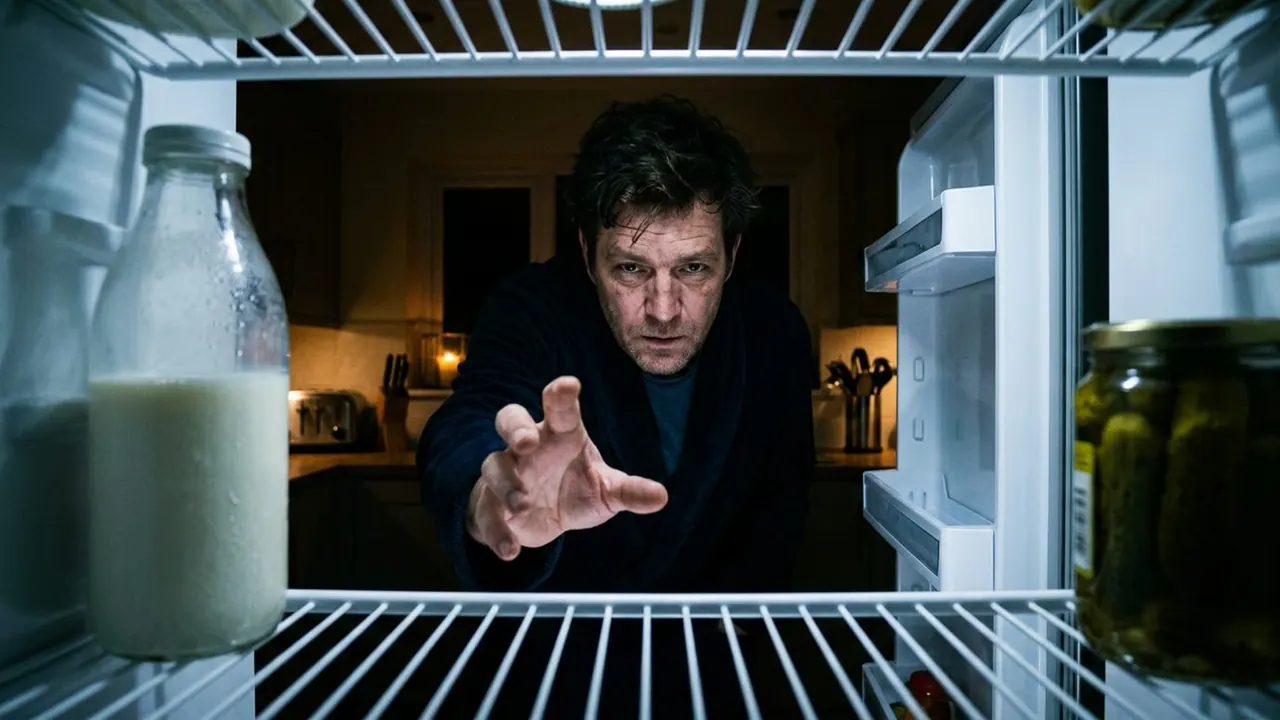
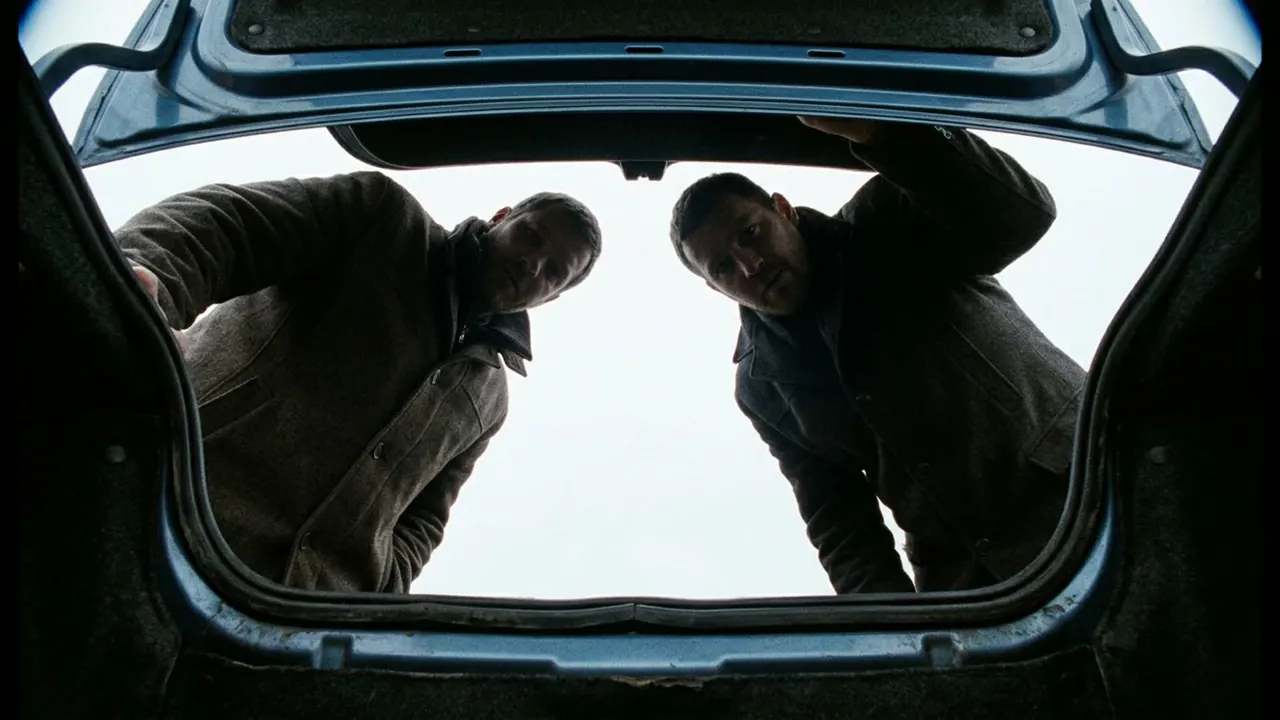
A POV shot has somebody else's eyes behind the camera, so a character looking at the lens is looking at another character. A fourth wall address has the audience behind the lens.
The difference is what the scene does next. A look that gets a reverse angle was a POV. A look that continues with no reverse was an address.
On film
Ferris Bueller's Day Off (1986) is built on the device. Ferris explains the plan to the lens, comments on his own film while it is running, and waits for the audience after the credits.
- Taxi Driver (1976)
- Badlands (1973)
- Ferris Bueller's Day Off (1986)
The prompt
Replace the blanks, keep the rest. Then run it on a video model.
<subject> looking directly into the lens and addressing the camera, direct eye contact held, audience acknowledged
What goes wrong
Models return a subject glancing at the lens and then away, which reads as a mistake rather than a choice. Say the eye contact is direct and held, and that the audience is acknowledged.
The second failure is a look that misses. Ask for the eyes on the lens itself, because a gaze a few degrees off camera turns the whole thing into an ordinary interview.
Leave out
looking off camera, profile
Watch for
Say the eye contact holds. A glance at the lens reads as a mistake, not a choice.
Questions
Shoot it
Pay for the one run. No subscription, and the price is on the model page before you sign in.