Profile
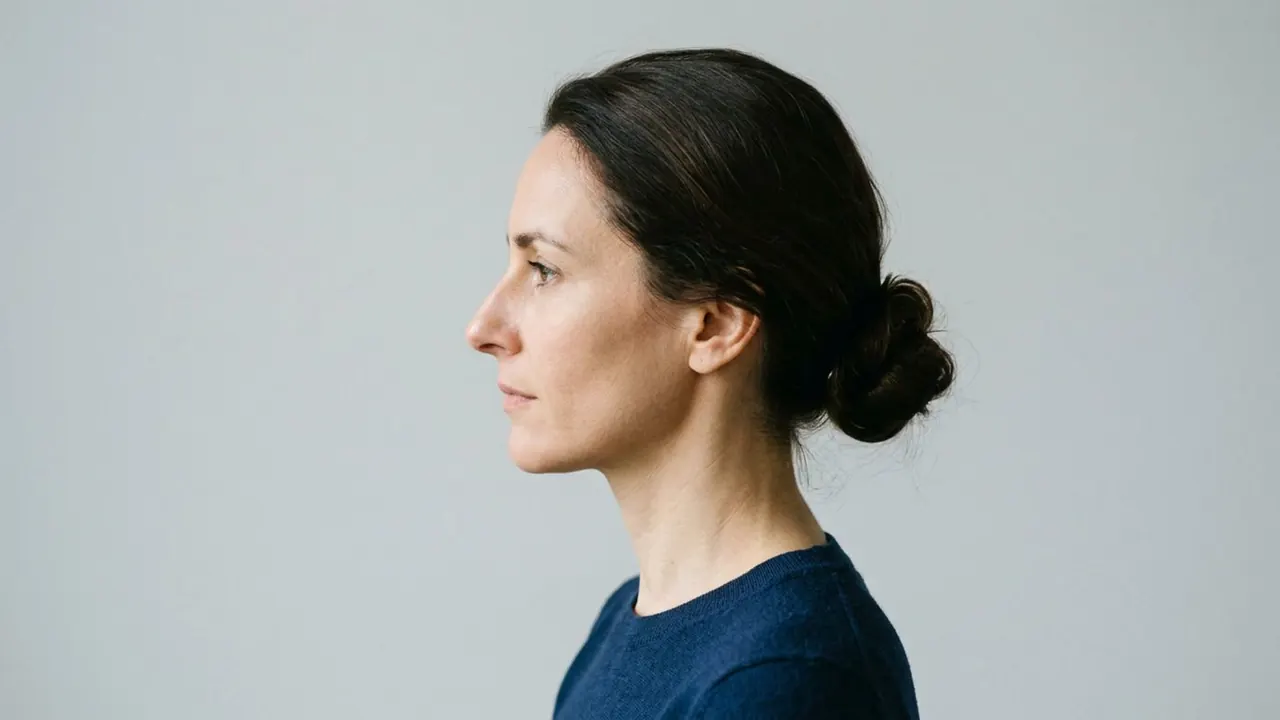
The subject faces fully sideways, and you see one flat side.
Opens a video model with the prompt in it. The price is on the page before you sign in.
What it is for
A full side view turns a face into a silhouette with features on it. The nose, the chin and the brow become a single readable line, and the audience stops looking into the person and starts looking at them.
It also closes the subject off. Only one eye is available and it is pointed out of the frame, so a profile refuses the audience the thing a face normally gives them.
How it works
The subject turns ninety degrees to the lens. One ear is toward camera, the far eye is hidden behind the nose, and the head reads flat against whatever is behind it.
Separation is the problem to solve. A profile pressed against a busy background disappears, so the usual answer is a dark background with a rim of light along the edge of the face, or a plain wall at a different brightness.
A longer lens keeps the profile true. Anything wide enough to see the far cheek has stopped being ninety degrees.
When to use it
Use it for confrontation across a frame, for a character who is withholding, and for any moment that should read as a portrait rather than a conversation.
Skip it when a line has to be read on the face. Half the expression is on the far side of the head and none of it is coming back.
Told apart from its neighbours
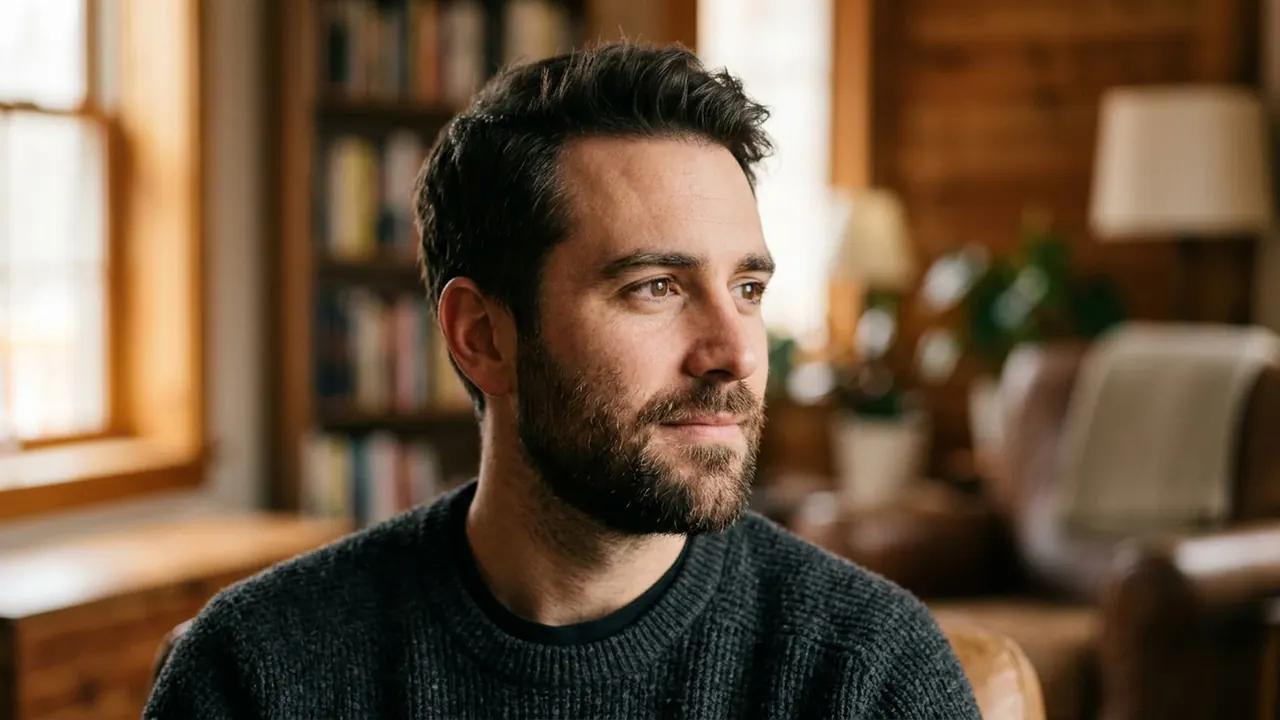
A three-quarter angle turns about forty five degrees and keeps both eyes visible. A profile is ninety degrees and shows one.
The test takes a second. Count the eyes. Two eyes is three-quarter. One eye is profile.
The prompt
Replace the blanks, keep the rest. Then run it on a video model.
profile shot of <subject>, face turned ninety degrees to the lens, clean side view, flat separation from the background
What goes wrong
Models deliver seventy degrees, because a face with a hint of the far eye is what most of their training data calls a side view. Say ninety degrees exactly, one eye visible, clean side view.
The second failure is a profile lost against the background. Ask for separation by name: a dark background behind the face, or a rim of light along the edge of it.
Leave out
three quarter, front on
Watch for
Ninety degrees exactly. Any less and it becomes a three-quarter.
Questions
Shoot it
Pay for the one run. No subscription, and the price is on the model page before you sign in.