Eye Level
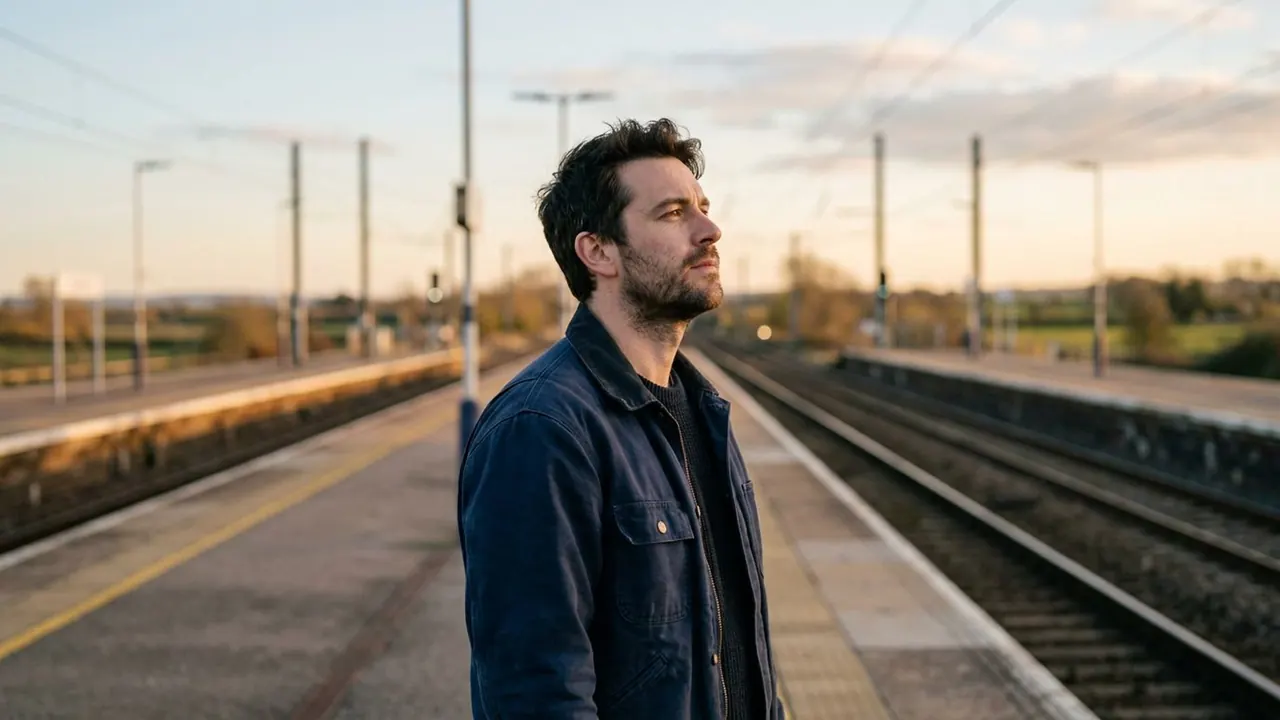
The camera sits at the subject's eye height and judges nothing.
Opens a video model with the prompt in it. The price is on the page before you sign in.
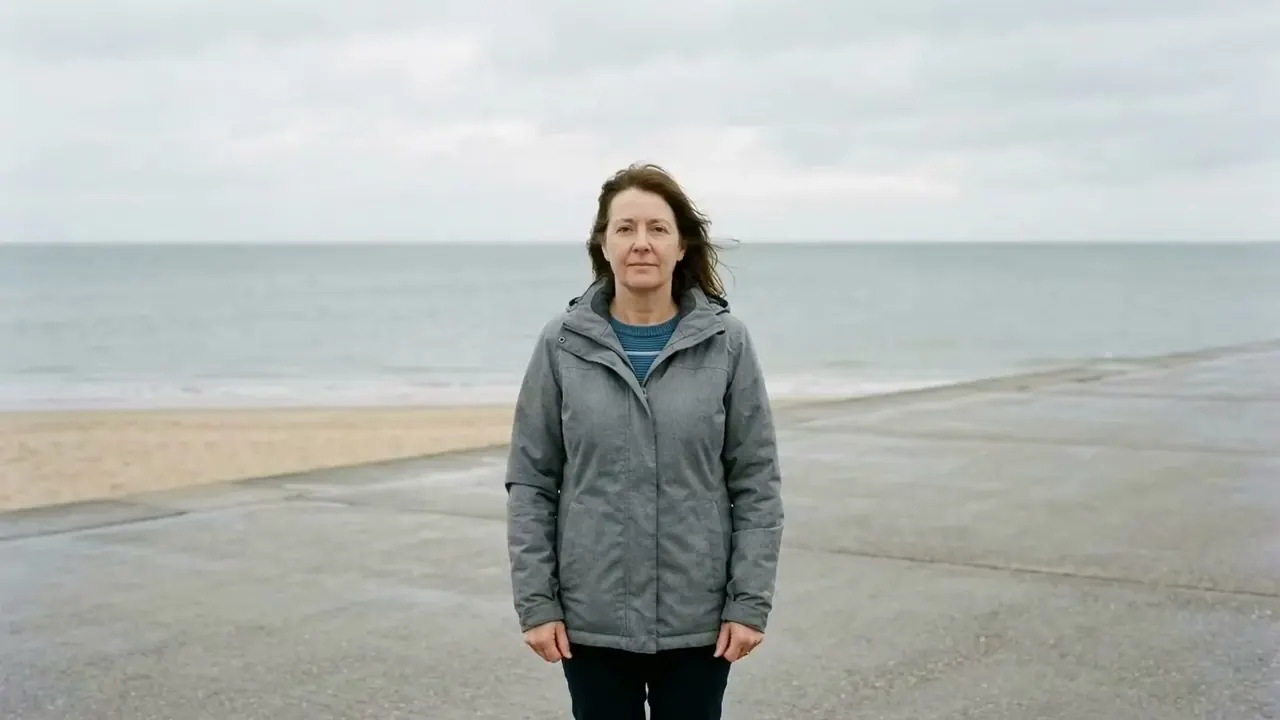
What it is for
The camera sits where another person would stand, so the angle makes no argument. Whatever the audience reads comes from the performance and the framing rather than from the height.
That neutrality is a tool. A film that stays at eye level for twenty minutes makes a single low angle land hard, because the grammar has been flat until then.
How it works
The lens sits at the height of the subject's eyes and stays level. For a standing adult that is around five and a half feet. For somebody seated it is roughly four, and for a child it is lower again.
Matching the subject is what matters rather than matching a number. A camera at adult eye height pointed at a seated person is a high angle, whatever the shot list calls it.
In dialogue both sides of the coverage sit at the same height, or the cut starts saying something about who is above whom.
When to use it
Use it as the default. It suits documentary, interview, comedy and any scene where the audience should judge people on what they do.
Leave it when the scene has a power reading to make. Holding eye level through a confrontation wastes the easiest tool available for it.
Told apart from its neighbours
A high angle looks down and shrinks the subject. Eye level judges nothing, and the giveaway is the background: a level camera puts whatever is behind the subject at their height, so you see a wall or a room rather than a floor.
Shoulder level sits a few inches lower and adds the faintest upward look. It is close enough that models treat the two as the same, which is why the height has to be named.
The prompt
Replace the blanks, keep the rest. Then run it on a video model.
eye level shot of <subject>, camera at the height of their eyes, neutral angle, no power reading
What goes wrong
This is where a model goes when a prompt says nothing about height, so asking for it gets you what you would have got anyway. Say at the height of their eyes if you want to know the choice was yours.
The other failure is a mismatch with a seated subject. If the person is sitting, say the camera is at their eye height while seated, or the result is a mild high angle.
Leave out
high angle, low angle
Watch for
It is the neutral choice. Reach for it when the angle should say nothing.
Questions
Shoot it
Pay for the one run. No subscription, and the price is on the model page before you sign in.
Next to it in the height ladder