Point of View
- subjective camera
- Muffled perspective
- Tinnitus effect
- POV
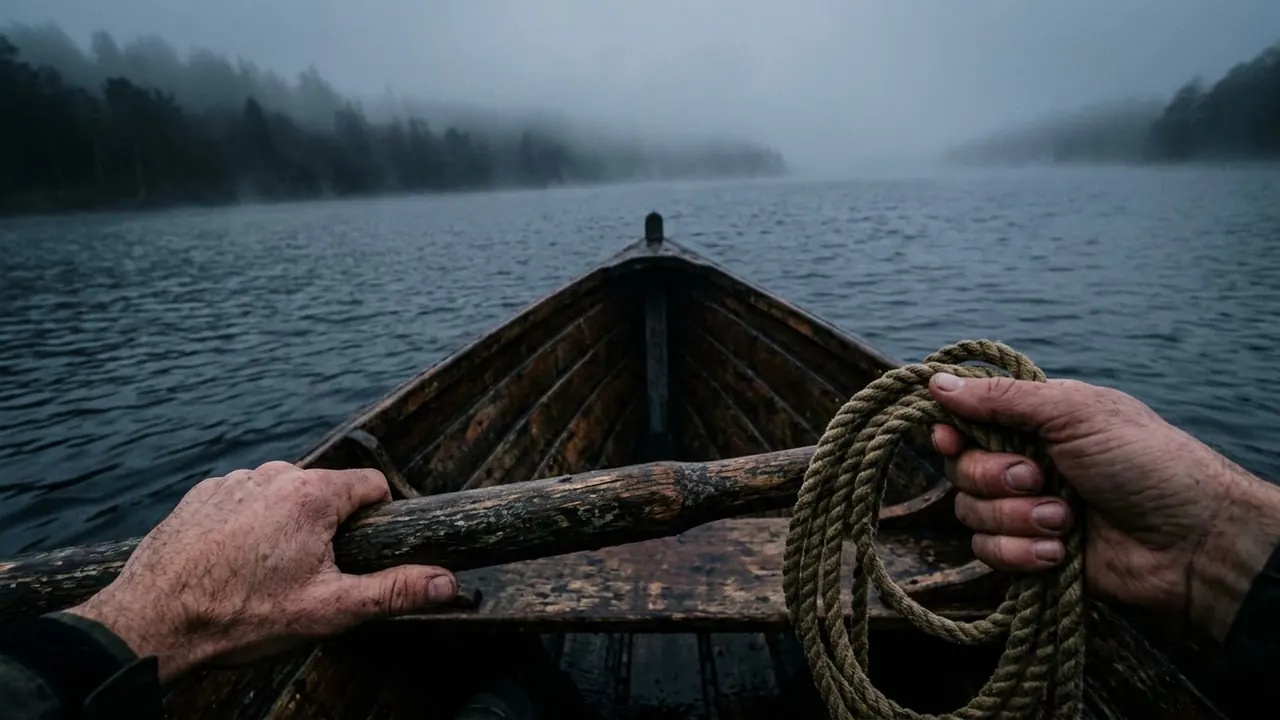
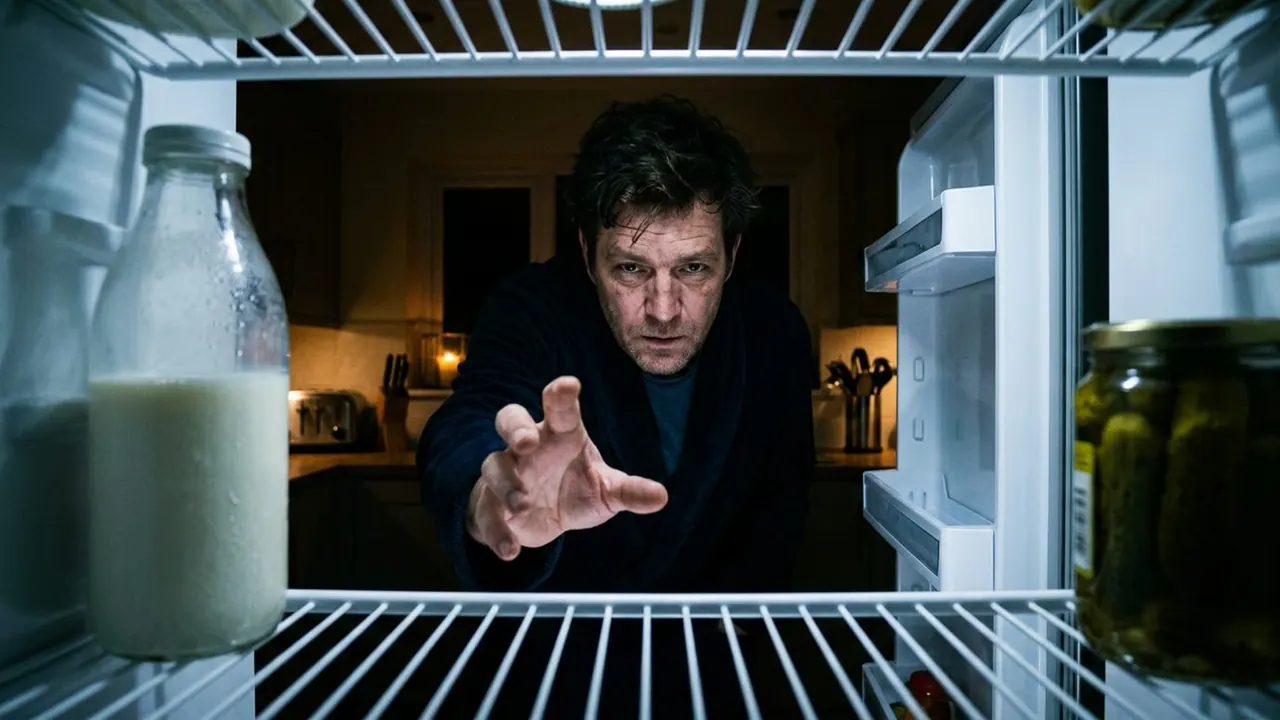
The camera shows what a character sees.
Opens a video model with the prompt in it. The price is on the page before you sign in.
What it is for
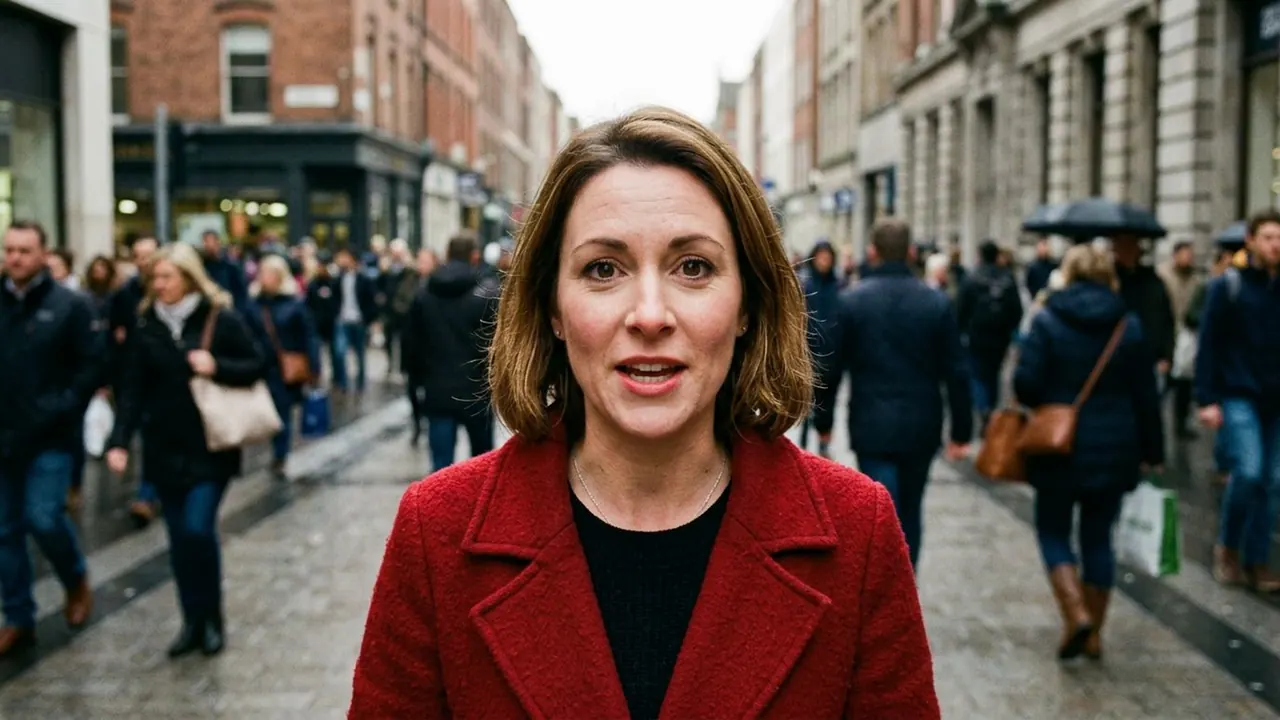
The camera takes a character's position so the audience sees what they see. For a few seconds the viewer stops watching somebody and starts occupying them.
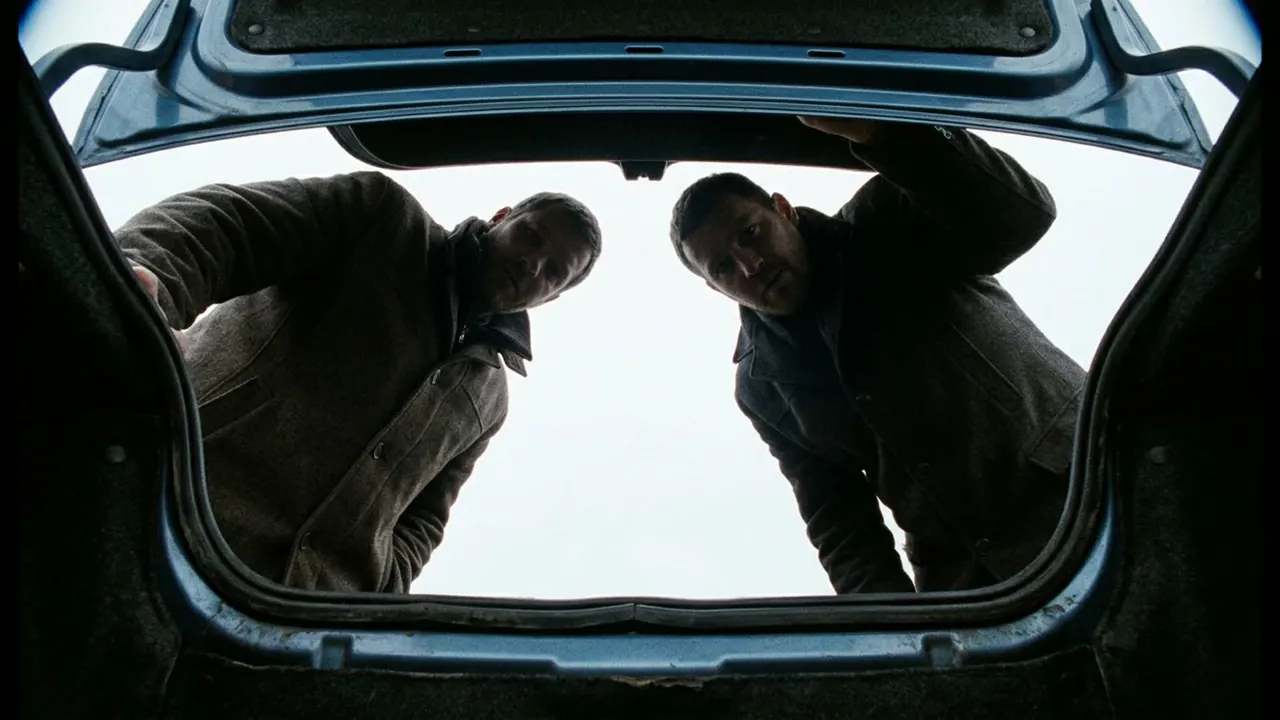
It only works as a pair. A shot of somebody looking, then the thing they are looking at, and the audience joins the two. On its own the same frame is just a shot of a room.
How it works
The lens sits at the character's eye height and points where they are pointed. Movement matches theirs, so a POV from somebody walking carries the rhythm of walking.
The frame does not have to be handheld. A calm character gives a calm POV. What has to match is the physical situation: height, direction, and whatever the eyes are doing.
Sound is half of it. A POV that carries the character's hearing, muffled underwater or narrowed by an injury, lands harder than one that only changes the camera position.
When to use it
Use it on a discovery, on a threat approaching, and on any moment where the audience should be inside the fear rather than watching it.
Avoid stringing them together. A run of POV shots with no cut back to the person loses its owner, and the audience stops knowing whose eyes they are in.
Told apart from its neighbours
An over-the-shoulder shot keeps the character in frame, so the audience watches them look. A POV removes them and shows only what they see.
The test is whether any part of the looker is in the picture. A shoulder in the corner means over-the-shoulder. Nothing of them at all means POV.
On film
Alfonso Cuaron moves the camera through Ryan Stone's helmet in Gravity (2013) so a wide shot becomes her view without a cut. Steven Spielberg puts the lens at eye height in the water on Omaha Beach in Saving Private Ryan (1998), and the sound drops away with it.
- Saving Private Ryan (1998)
- Sound of Metal (2019)
- Gravity (2013)
The prompt
Replace the blanks, keep the rest. Then run it on a video model.
point of view shot as <subject> sees it, camera at their eye height, motion matching their movement
What goes wrong
Models return a third person shot of the character, because a person in frame is the safer answer. Say the camera shows what the subject sees, with no part of them visible.
The second failure is a still POV from a moving person. Name the motion: matching their steps, turning as they turn, and say where the eyes go.
Leave out
third person, static
Watch for
Pair it with a shot of the character looking. A POV without its owner is just a shot.
Questions
Shoot it
Pay for the one run. No subscription, and the price is on the model page before you sign in.