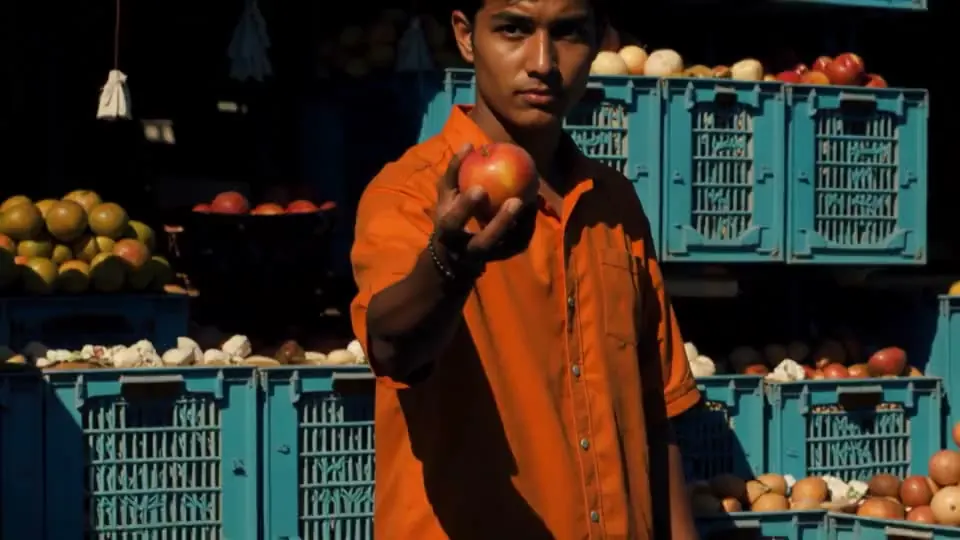
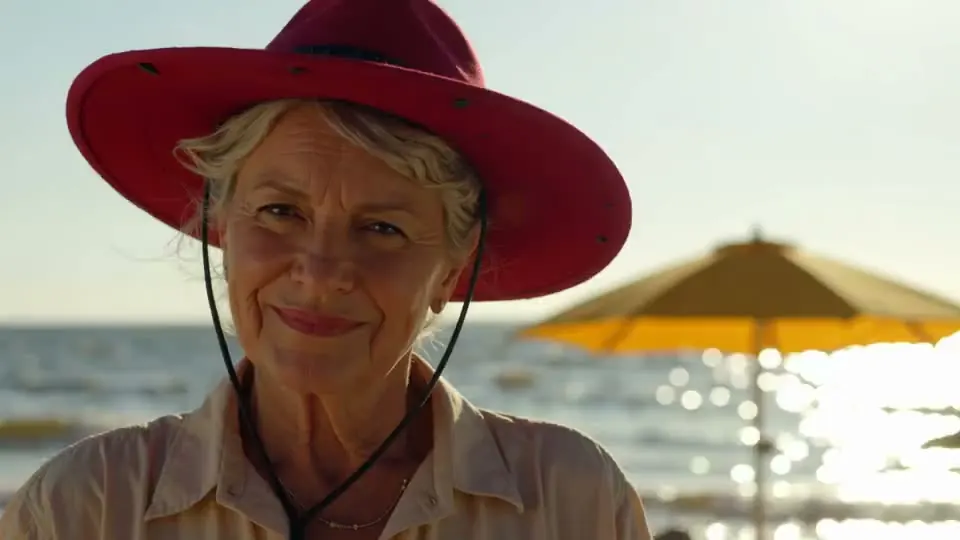
Wide ShotWS
- wide
- long shot
- LS
The frame takes in the space around the subject.
Opens a video model with the prompt in it. The price is on the page before you sign in.
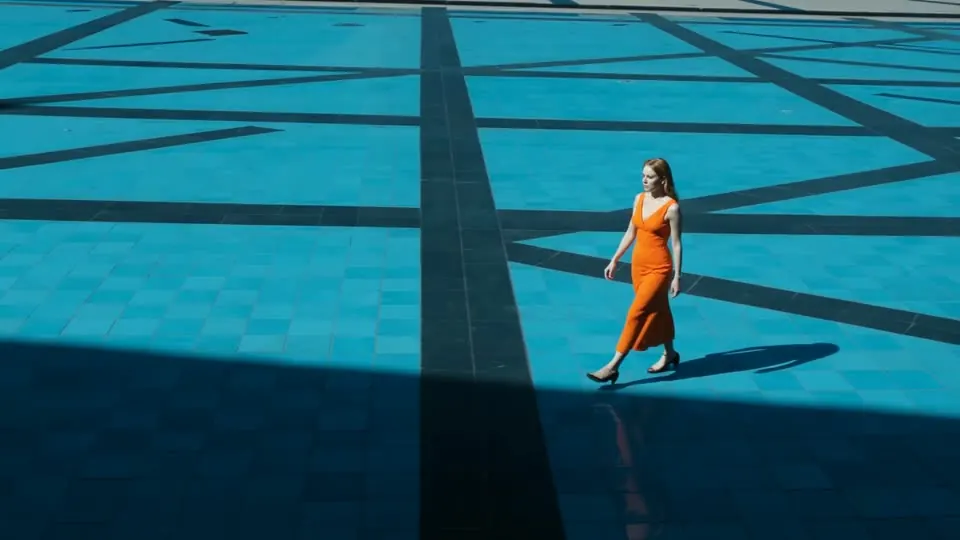
What it is for
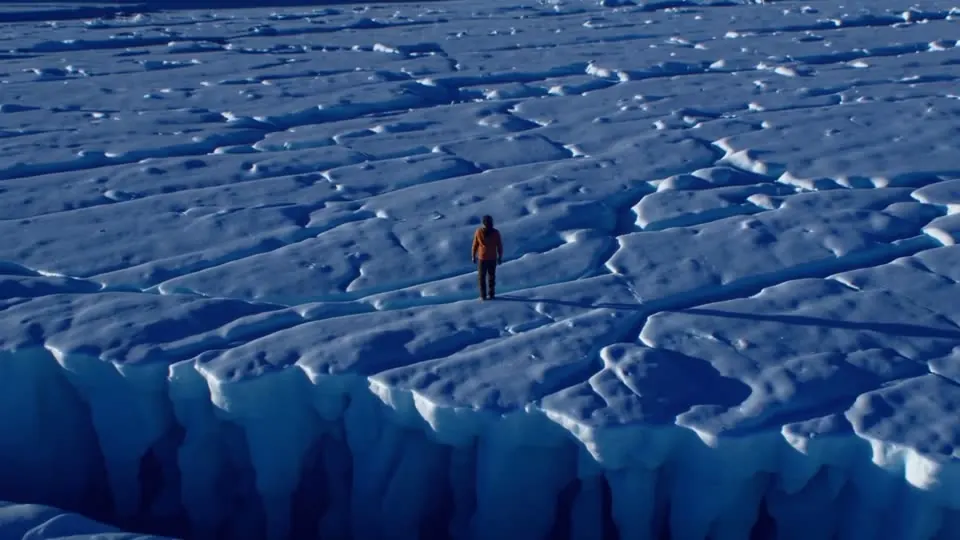
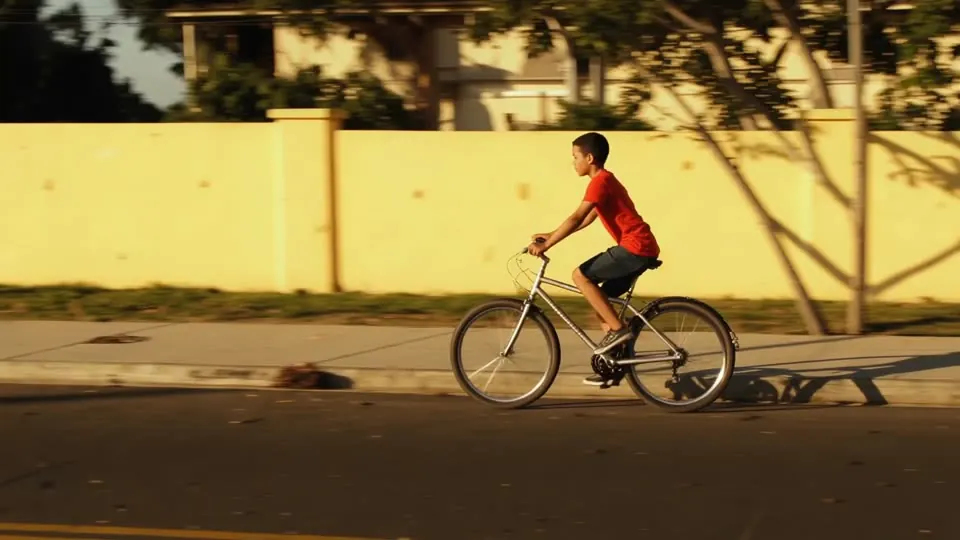
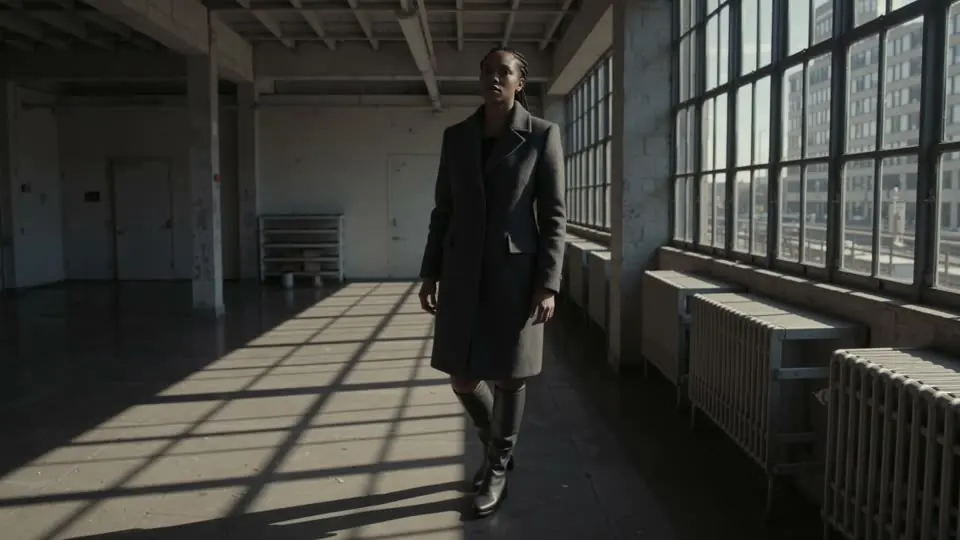
A wide shot is about the room. The subject is in it and readable, and the frame spends most of its area on where they are.
That makes it the shot that answers questions. How big is this place, what is behind them, how far is the door. A scene that skips it leaves the audience assembling the geography from fragments.
How it works
The subject reads at full height or close to it, with a large share of the frame given to the surroundings. Composition comes from the architecture: the line of a wall, a doorway, the edge of a field.
Wide lenses are the obvious tool and the risky one. They add space and they also bend anything near the edge of frame, so a face in the corner of a 24mm shot looks wrong. Keep people near the middle, or go longer and step back.
When to use it
Open with it, return to it when the blocking changes, and end on it when you want the scene to release. It is also the shot that sells a location in a product or travel piece.
Avoid it when the room says nothing. An empty wide is a small person in a beige rectangle.
Told apart from its neighbours
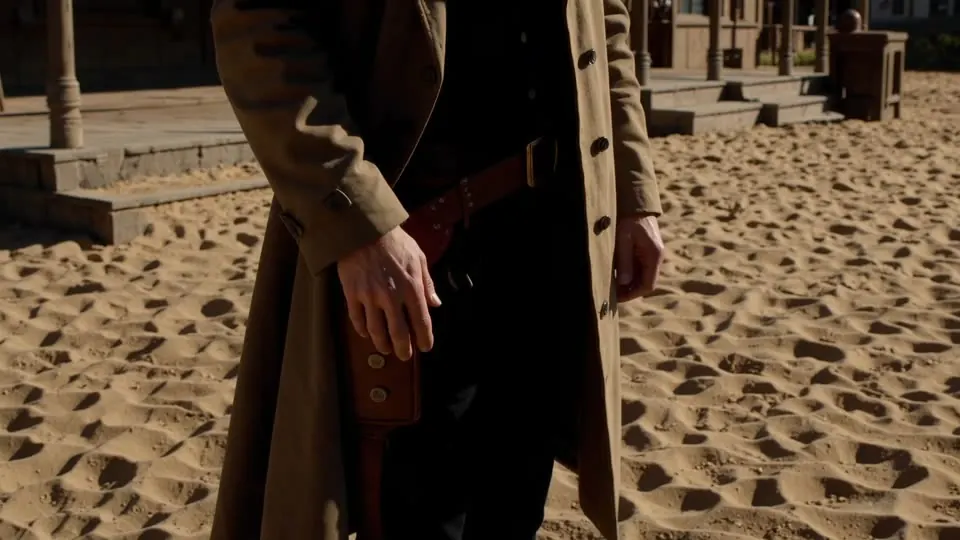
Long shot describes the same distance from the subject outward. Wide shot describes it from the room inward. Full body is tighter than both, with only enough air to clear the head and the feet.
An establishing shot is a wide shot with a job. If the frame exists to say where the scene happens before anyone speaks, that is the name to use.
On film
Stanley Kubrick shoots the interiors of The Shining (1980) wide and symmetrical, with corridors running straight back from the lens, so the Overlook reads as a building long before it reads as a threat.
The prompt
Replace the blanks, keep the rest. Then run it on a video model.
wide shot of <subject>, whole space visible around them, environment reading as strongly as the figure
What goes wrong
The result comes back as a portrait with a blurred background. A wide shot needs depth of field, so ask for the room to stay sharp and name two or three things in it.
The other failure is scale drift. Models often place the subject at medium size inside a big frame, which reads as neither size. Say what fraction of the frame the person fills, or name the wall behind them and how far away it is.
Leave out
close-up, tight crop
Watch for
Say what the space contains. An empty wide has nothing to look at.
Questions
Shoot it
Pay for the one run. No subscription, and the price is on the model page before you sign in.
Next to it in the shot sizes