Reaction Shot
- Kuleshov effect
- Associative reaction construction
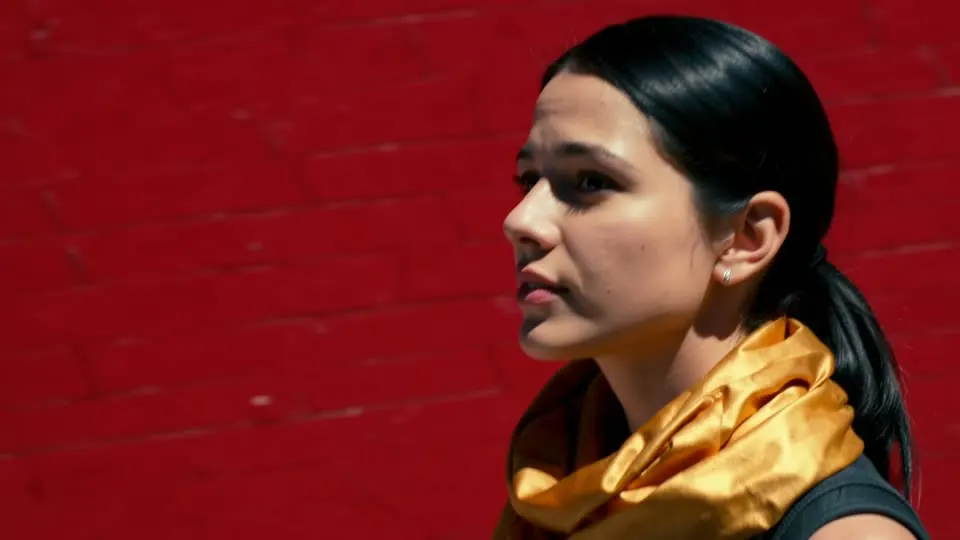
A face responding to something that happened off screen.
Opens a video model with the prompt in it. The price is on the page before you sign in.
What it is for
The audience learns what something means by watching somebody receive it. A face takes in news that happened off screen, and the reaction is the scene.
It works because meaning is assembled across the cut. Lev Kuleshov famously intercut the same neutral face with different shots and audiences read a different emotion each time, which is the whole mechanism behind this shot.
How it works
Usually a close-up or a medium close-up, with the eyeline directed off screen toward whatever caused the reaction. Where the eyes go has to agree with where the thing is.
The performance runs small. The audience already knows what happened, so the face has to do less than it would in a scene that carried the information itself.
When to use it
Use it after any reveal, and use it on the person with the most to lose rather than the person who spoke.
It is also the cheapest way to sell something you never show. A reaction can carry an event the budget or the model cannot produce.
Told apart from its neighbours
A close-up is a size. A reaction shot is a size given a job, which is receiving something from off screen.
A cutaway leaves the action to show a different subject. A reaction shot stays inside the same moment and shows its effect on a face.
On film
Alfred Hitchcock cuts Rear Window (1954) around the face of a man who mostly watches, and what the audience feels about each window across the courtyard is set by what his face does after seeing it.
- Rear Window (1954)
The prompt
Replace the blanks, keep the rest. Then run it on a video model.
reaction shot of <subject>, responding to something off screen, eyeline out of frame, expression shifting
What goes wrong
The subject looks into the lens, which turns a reaction into an address to the audience. Say the eyeline goes off frame, and name the direction.
The other failure is an oversized performance. Ask for a small change, such as the face stilling, the eyes dropping, or a breath held.
Leave out
speaking, wide
Watch for
The eyeline must leave the frame. Looking at the lens breaks the reaction.
Questions
Shoot it
Pay for the one run. No subscription, and the price is on the model page before you sign in.
Next to it in shots that cut away