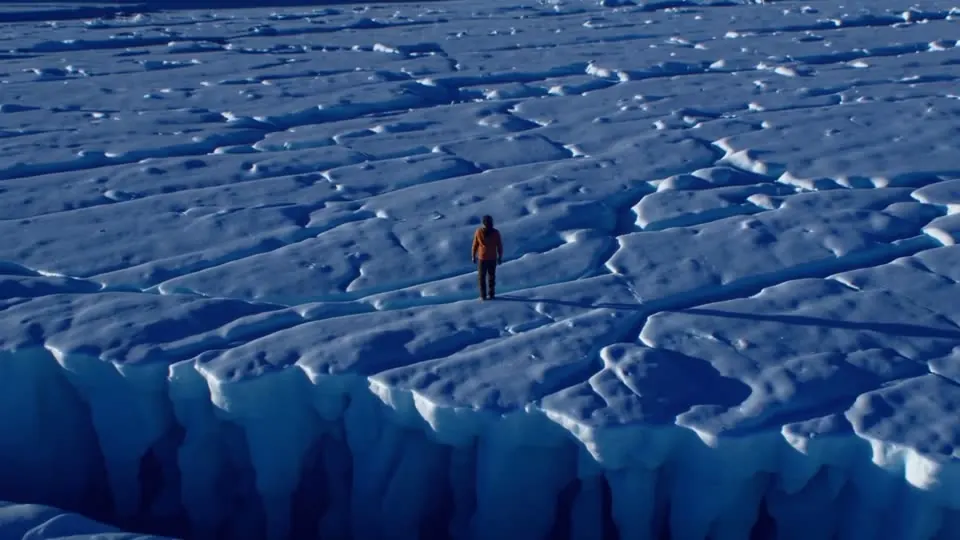
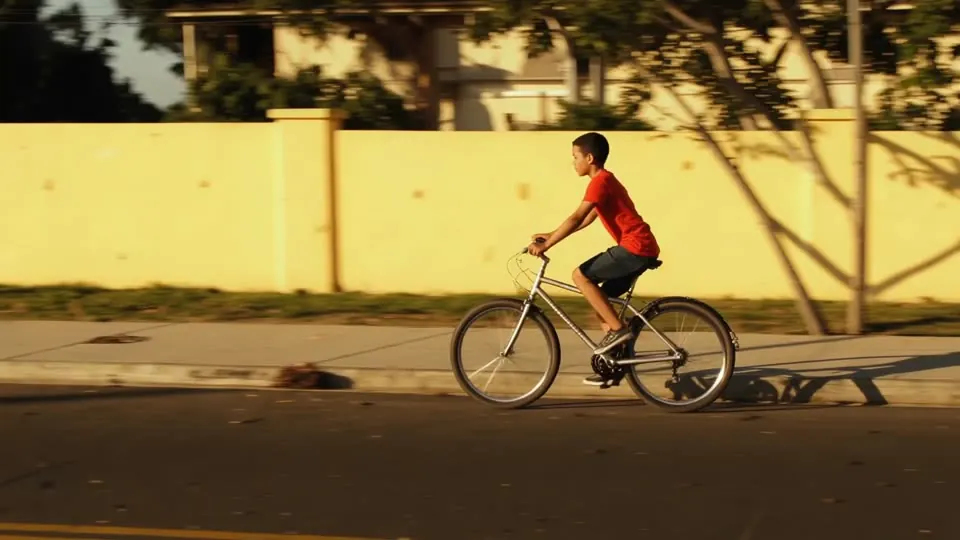
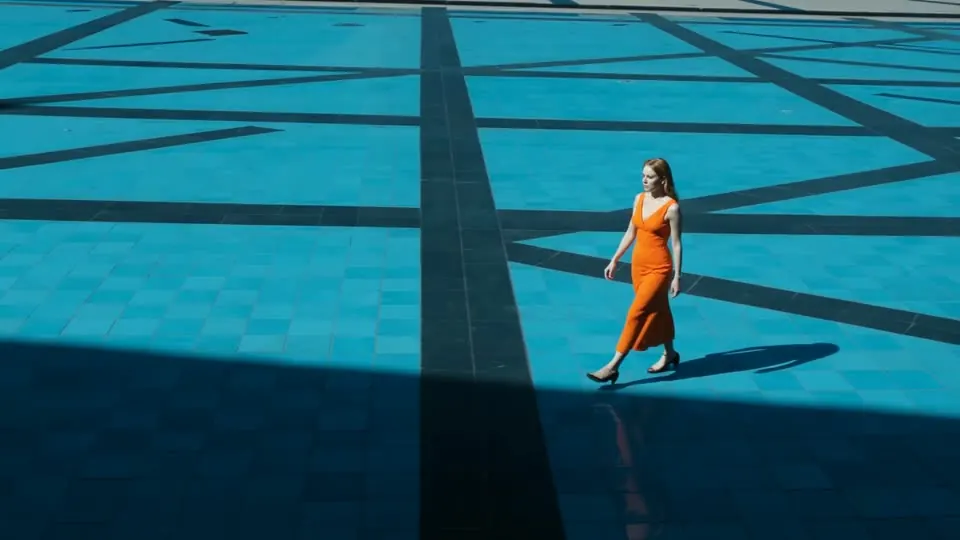
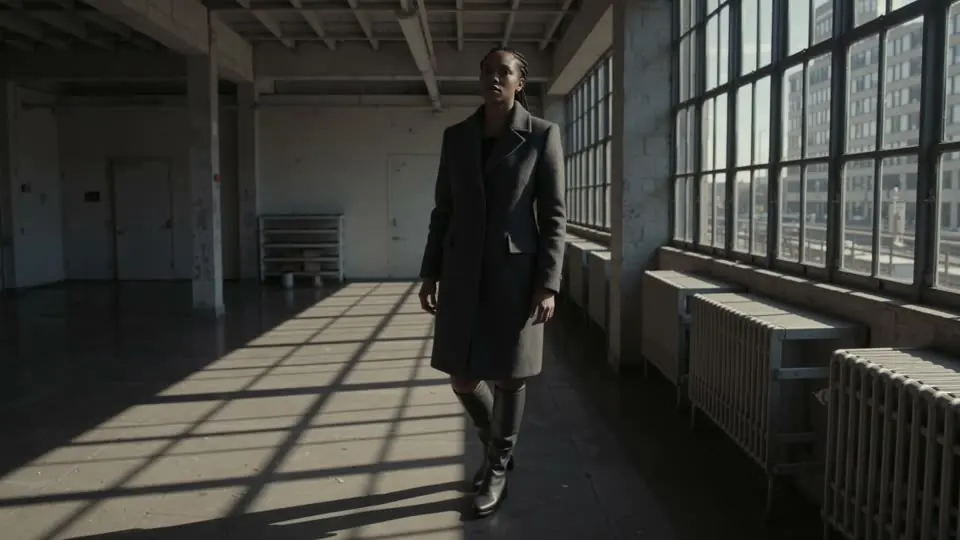
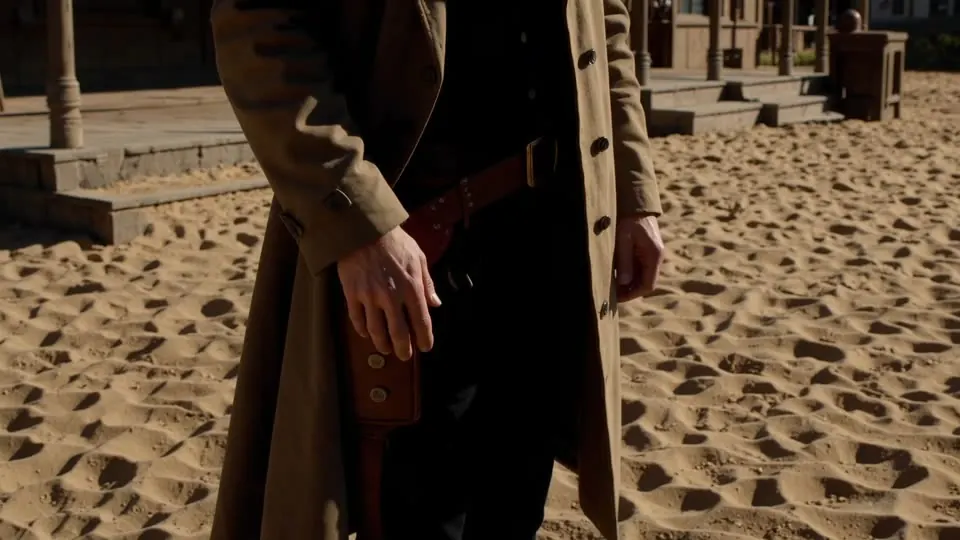
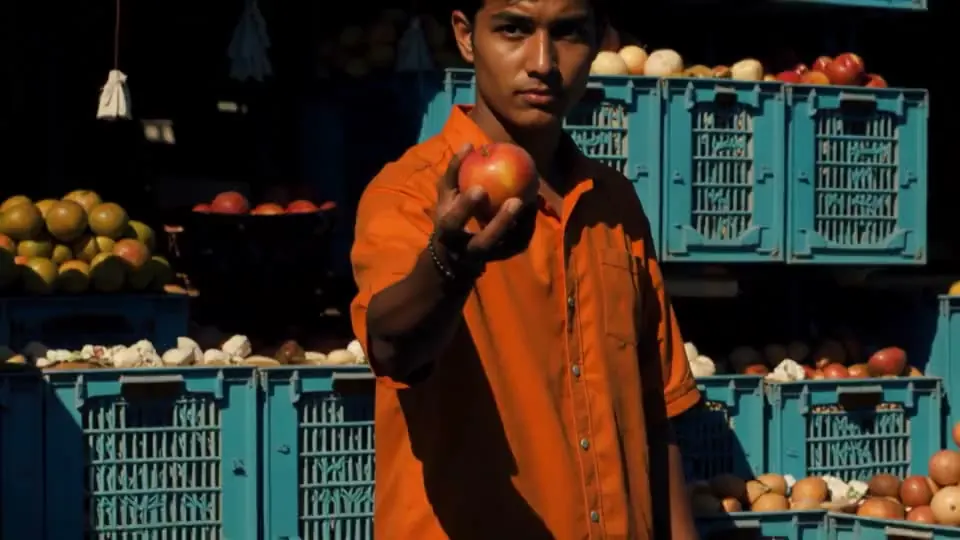
Close-UpCU
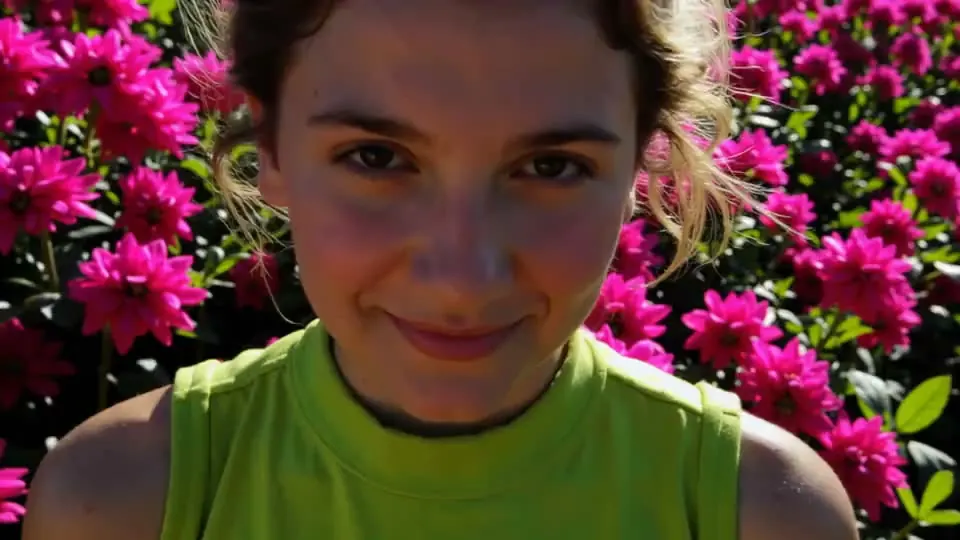
The head and a little shoulder fill the frame.
Opens a video model with the prompt in it. The price is on the page before you sign in.
What it is for
A close-up puts one face at a size where small movements register. A swallow, a glance away, the half second before someone answers. None of that survives a medium shot and all of it survives here.
It stays a portrait. Enough collar and shoulder remain in frame that the person still reads as somebody standing somewhere, which is what separates a close-up from a crop of a face.
How it works
The bottom of the frame lands on the upper chest or the collarbone. The top sits just above the hair with a little headroom. Everything below the shoulders is gone, and the room behind goes soft or dark.
Portrait lengths around 65mm to 85mm are the usual choice at conversation distance, because they hold the face without bending it. Shallow focus is common at this size, although the size is the crop and not the blur. A close-up at f/8 is still a close-up.
In dialogue the reverse matches. If one person is in a close-up, the person answering is framed the same way, or the cut reads as a change of importance instead of a change of speaker.
When to use it
Use it on the line that has to be read on the face, and on the moment somebody decides not to answer.
Do not live here. A scene cut entirely in close-ups turns into a slideshow of heads, and it loses the ability to escalate, because there is nowhere tighter left to go that still means something.
Told apart from its neighbours
A medium close-up starts at the chest and keeps both shoulders and some hand movement. A close-up drops both. If a slice of the room is still readable behind the shoulders, you are in an MCU.
A choker cuts above the eyebrows and below the chin, so the shoulders go entirely. An extreme close-up goes further again and gives one feature the whole frame. Close-up is the portrait size between them: head plus upper shoulders.
On film
Carl Theodor Dreyer built The Passion of Joan of Arc (1928) almost entirely out of faces shot at this size, and the trial plays as pressure applied to one head. Jonathan Demme used close-ups through the interview scenes of The Silence of the Lambs (1991), with the actors placed near the lens, so thinking stays visible while a little of the body remains.
- The Passion of Joan of Arc (1928)
- The Silence of the Lambs (1991)
The prompt
Replace the blanks, keep the rest. Then run it on a video model.
close-up of <subject>, head and a little shoulder filling the frame, background falling out of focus
What goes wrong
Two wrong cousins come back. A medium close-up with too much chest, or a choker with no neck. Writing head and upper shoulders settles it.
The other failure is a blank face. A model reads close-up as a size rather than a mood, so a bare request returns a neutral expression at close range. Say what the face is doing.
Leave out
wide, full body
Watch for
It is the default for emotion. Name what the face is doing or it plays blank.
Questions
Shoot it
Pay for the one run. No subscription, and the price is on the model page before you sign in.
Next to it in the shot sizes