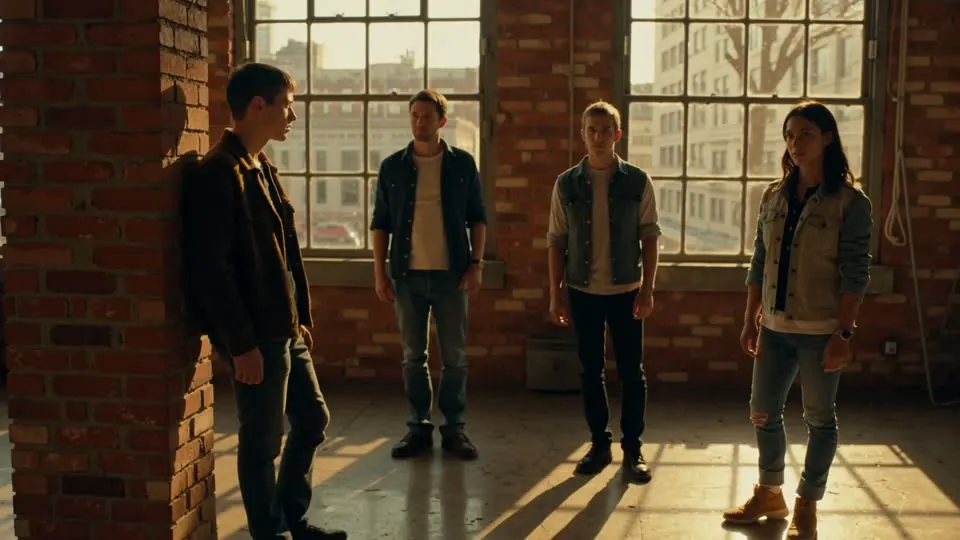
Two-Shot
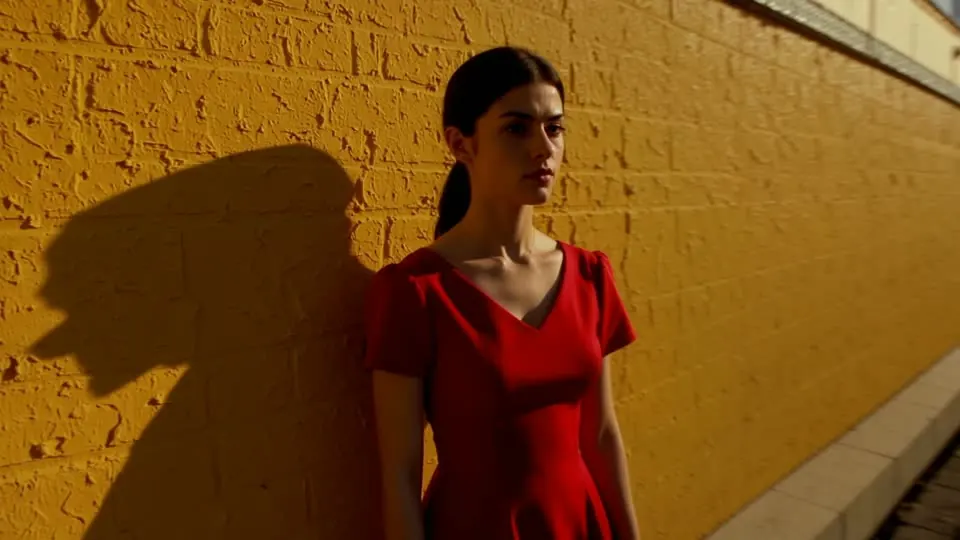
- profile two-shot
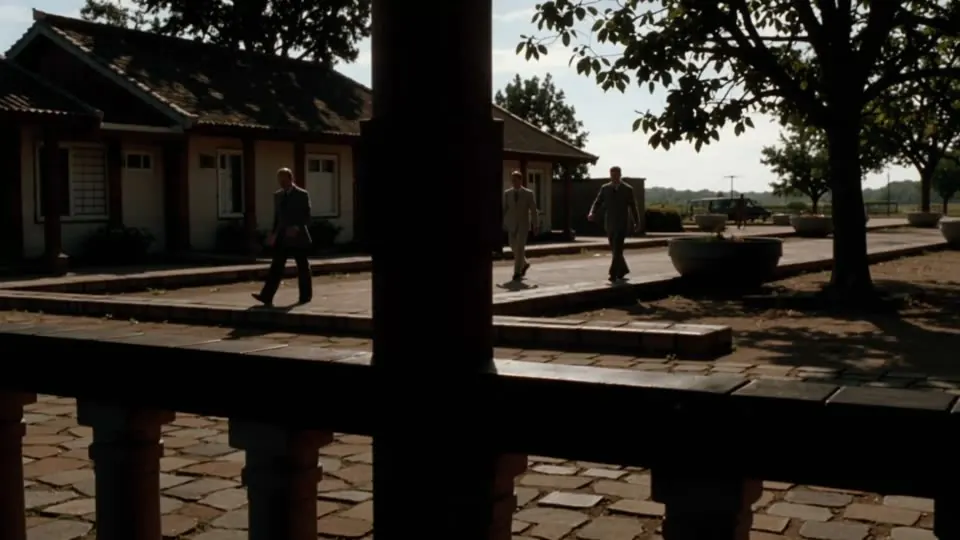
- walking two-shot
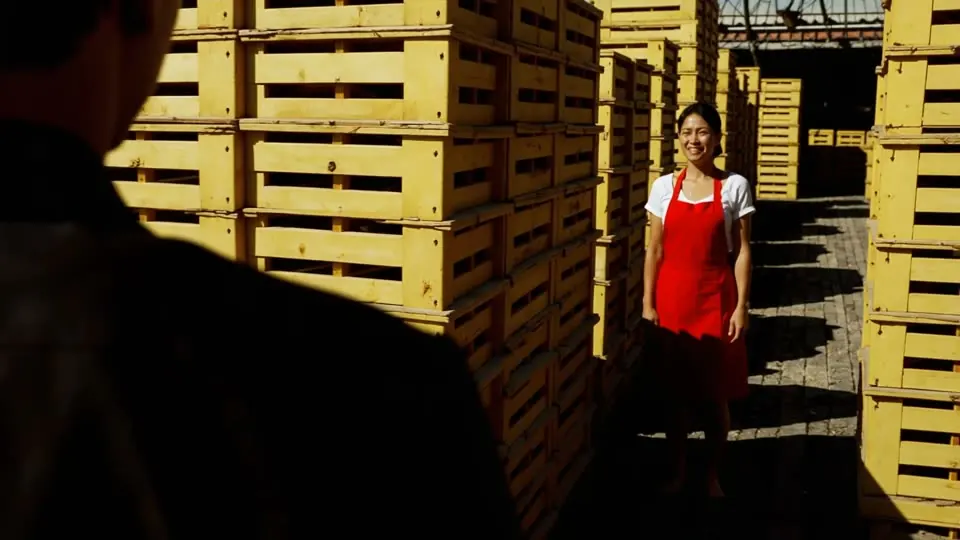
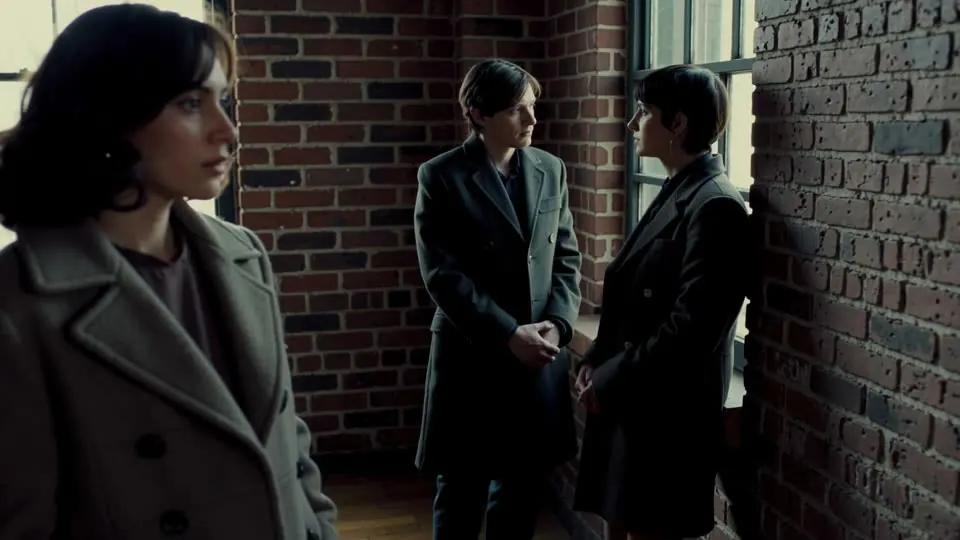
- layered two-shot
- Shared frame instead of isolated faces
Two people share one frame, and the gap between them is the content.
Opens a video model with the prompt in it. The price is on the page before you sign in.
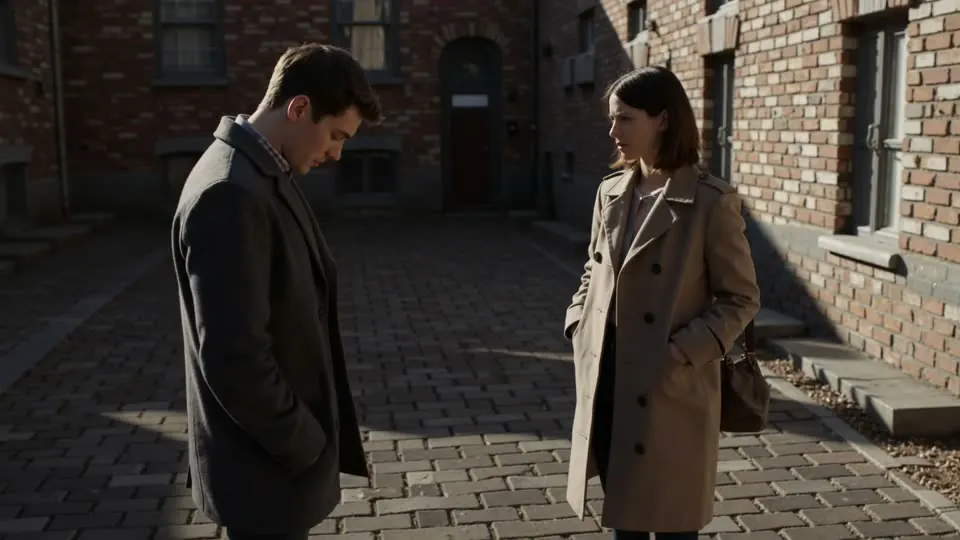
What it is for
Two people in one frame, and the gap between them is the content. Touching shoulders and standing a metre apart are the same shot with opposite meanings.
Holding both in one frame also refuses to cut, which makes the audience watch the listener. A reaction that would be a separate shot happens in the corner of the same picture.
How it works
Both people are readable, usually from the waist or the chest up, arranged so neither is hidden. A profile two-shot puts them face to face across the frame. A layered two-shot stacks one behind the other at different distances from the lens.
The lens sets how far apart they look. A long lens compresses the space and pulls them together. A wide lens pushes them apart even when the distance has not changed.
When to use it
Use it when the relationship is the subject, when two people walk and talk, and when a scene should feel continuous rather than cut.
Move to singles when a character should feel alone, or when one face has to carry something the other must not see.
Told apart from its neighbours
Over-the-shoulder coverage shows one face and the back of another head. A two-shot shows both faces or both figures in the same frame.
A three-shot adds a third person, and the arrangement stops being a line and starts being a shape, which changes what the composition can say.
On film
Ingmar Bergman presses two faces into the same frame through Persona (1966) until telling them apart becomes an effort. Richard Linklater shoots most of Before Sunrise (1995) as walking two-shots, holding both people and letting the conversation run without cutting away from either.
- Persona (1966)
- Before Sunrise (1995)
The prompt
Replace the blanks, keep the rest. Then run it on a video model.
two shot of <subject A> and <subject B>, both in frame at once, distance between them readable
What goes wrong
The distance between them arrives at random. Name it: shoulders touching, an arm's length apart, at opposite ends of the bench.
The second failure is a stacked pair where the back head is a blur. Say both faces stay readable, or state on purpose which one falls soft.
Leave out
single, over the shoulder
Watch for
Name the distance. Close and far say opposite things about the pair.
Questions
Shoot it
Pay for the one run. No subscription, and the price is on the model page before you sign in.
Next to it in who is in the frame