Extreme Long ShotELS
- extreme wide
- EWS
- Extreme-wide scale contrast
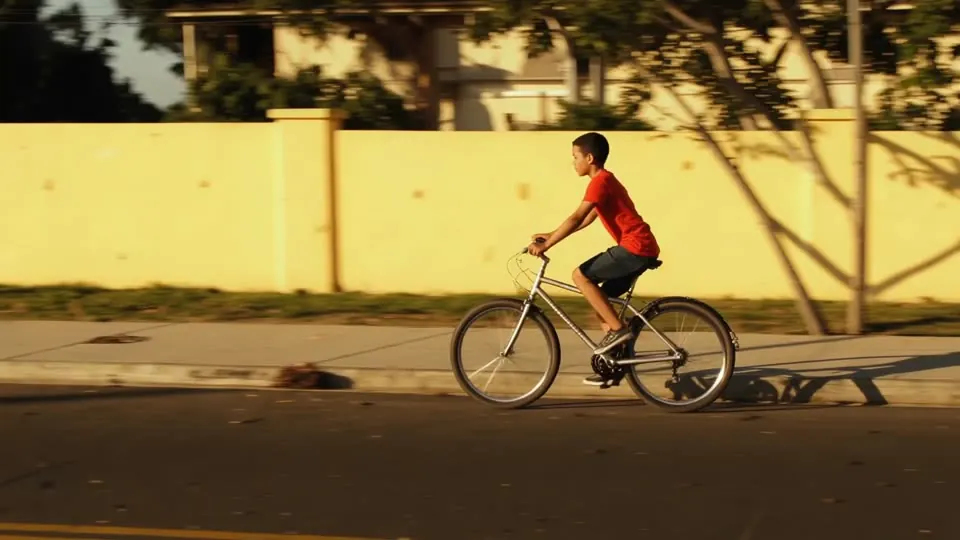
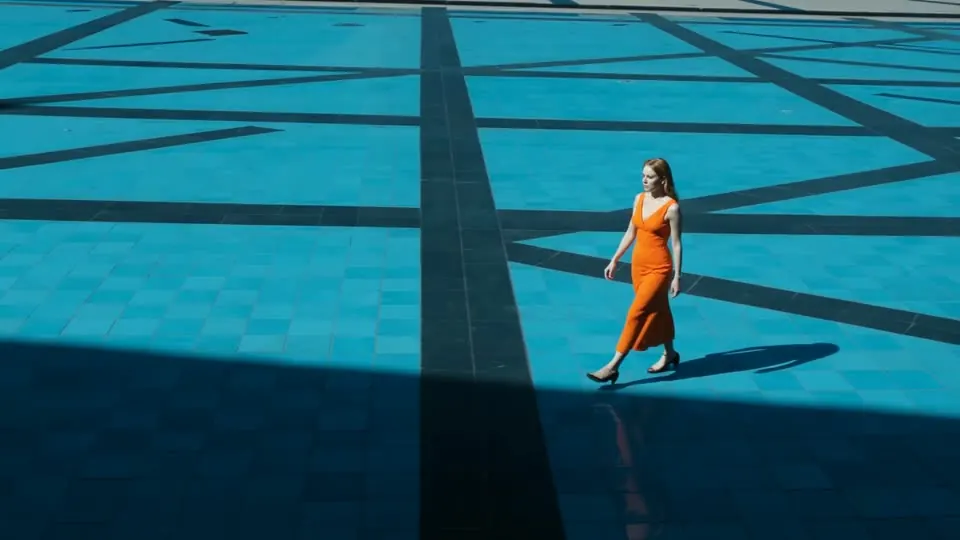
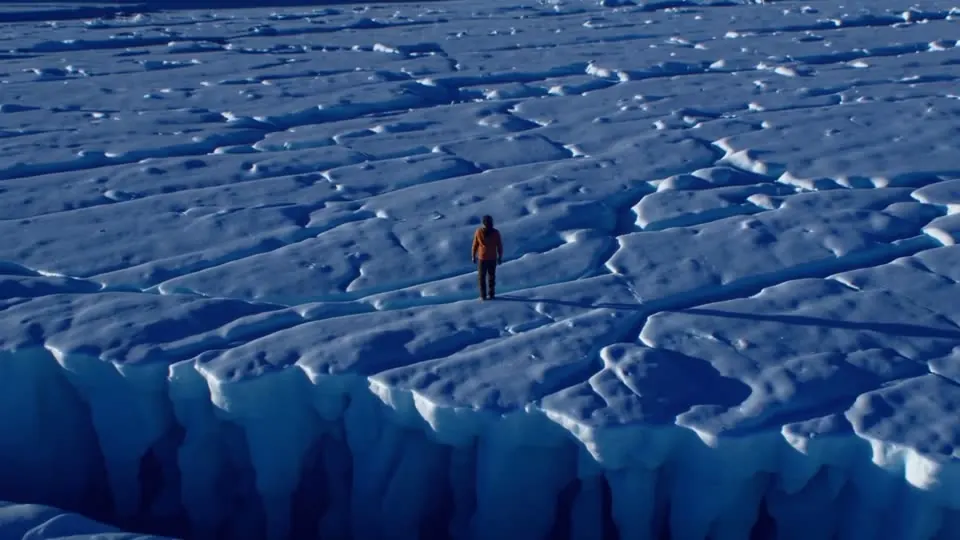
The subject is a speck and the landscape runs the frame.
Opens a video model with the prompt in it. The price is on the page before you sign in.
What it is for
The figure is small enough that the place wins. Scale is the information: how far there is to walk, how exposed one person is, how little a single body changes the view.
It also works as punctuation. Cutting out to an extreme long shot after a tight scene drops the temperature and tells the audience that the scene is over.
How it works
The figure takes up a small fraction of the frame height, often less than a tenth. The horizon, the ridge or the roofline carries the composition, and the person is a mark inside it.
Wide lenses stretch the distance between the near and far planes, so the ground seems to run further. Long lenses stack those planes and make heat haze and dust visible, which is where the shimmer in desert footage comes from. Both are used at this size and they say different things.
When to use it
Reach for it on arrival, on isolation, and on the shot that has to show the size of the problem. It opens a sequence well and it closes one even better.
Skip it when a face has to carry the beat. Nothing about a face reads at this size, so asking for an expression here wastes the run.
Told apart from its neighbours
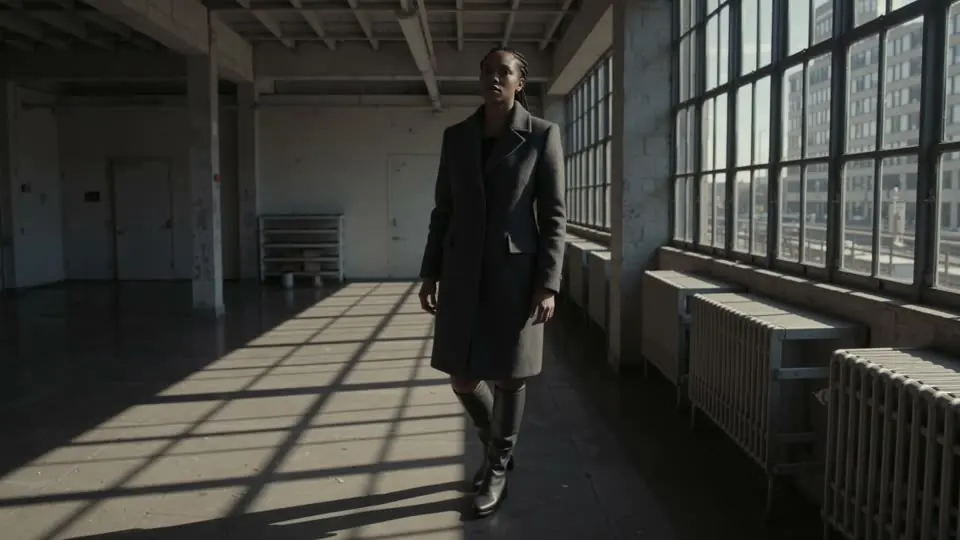
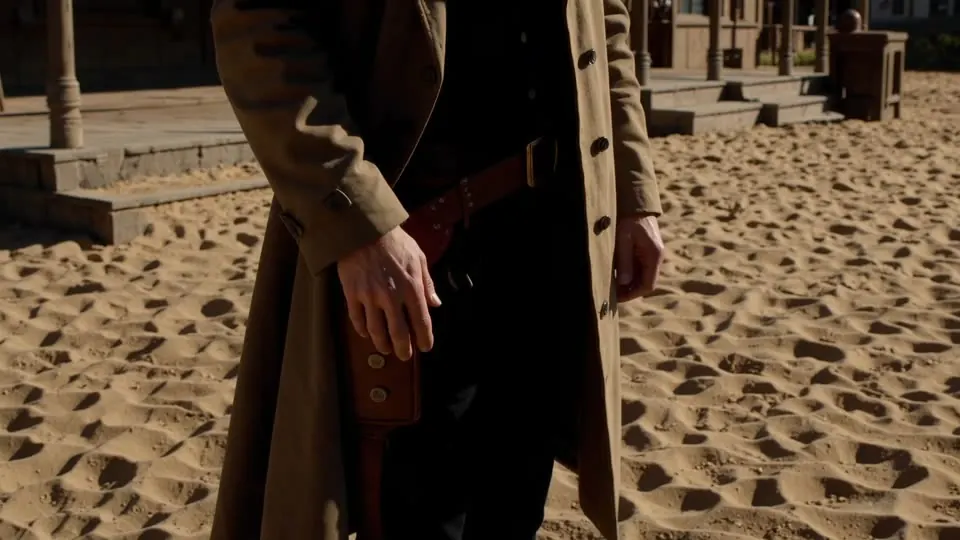
A long shot still gives you a full figure with readable posture. An extreme long shot does not, because the body is a silhouette. A wide shot is about the space around a subject who still reads clearly inside it.
The test is how much of the frame height the person fills. Under a tenth is extreme.
On film
David Lean holds the horizon for a long time in Lawrence of Arabia (1962), and the mirage sequence works because the approaching rider stays a dot for so long. Stanley Kubrick uses the same ratio against black in 2001: A Space Odyssey (1968), where a ship crossing the frame is a small bright shape with nothing near it.
- Lawrence of Arabia (1962)
- 2001: A Space Odyssey (1968)
The prompt
Replace the blanks, keep the rest. Then run it on a video model.
extreme long shot of <subject> in <location>, figure tiny in a vast landscape, scale overwhelming
What goes wrong
The usual result is a subject that is too big. Left to itself a model treats the person as the subject and frames them at a comfortable size, which is a long shot. Say the figure is tiny, and give the rest of the frame something to be about.
The other failure is an empty picture. A vast frame with no ridge, no road and no weather reads as a blank. Name what fills the space.
Leave out
close-up, medium
Watch for
Say the figure is tiny. Models enlarge the subject unless told not to.
Questions
Shoot it
Pay for the one run. No subscription, and the price is on the model page before you sign in.
Next to it in the shot sizes