Underwater
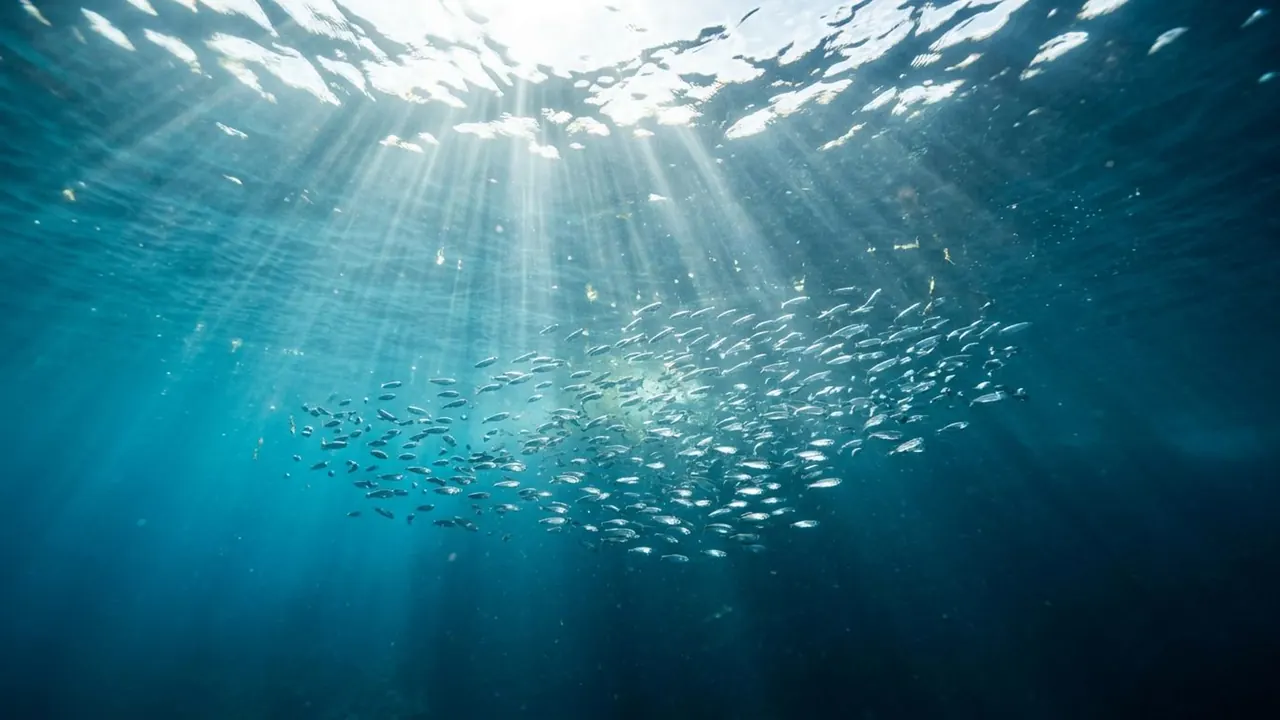
The scene sits below the surface, where light shafts and everything slows.
Opens a video model with the prompt in it. The price is on the page before you sign in.
What it is for
Underwater changes how bodies move. Water resists, so an arm takes longer to travel and hair and cloth trail behind it. The audience reads the medium from the movement before they read it from anything else.
It also filters the light. Red goes first, then orange, then yellow, so the deeper the scene sits the further it collapses toward blue and green. That colour cast is the second thing that says water.
How it works
Light comes from above in shafts, bent and broken by the surface. Those shafts move, because the surface above them is moving, so the light in an underwater shot is never still.
Particles hang in the water and scatter the light, which drops contrast fast with distance. Ten metres of water does what a hundred metres of hazy air does, so the far planes disappear much sooner than they would on land.
Movement slows in every axis. A fall becomes a drift and a gesture takes twice as long, which is why a normal-speed body underwater reads as a dry set with a blue filter on it.
When to use it
Use it for a dive, a discovery, a drowning, or any beat where a character should be cut off from sound and from gravity.
Skip it for dialogue. Speech does not survive underwater, so a scene that needs words has to happen above the surface.
Told apart from its neighbours
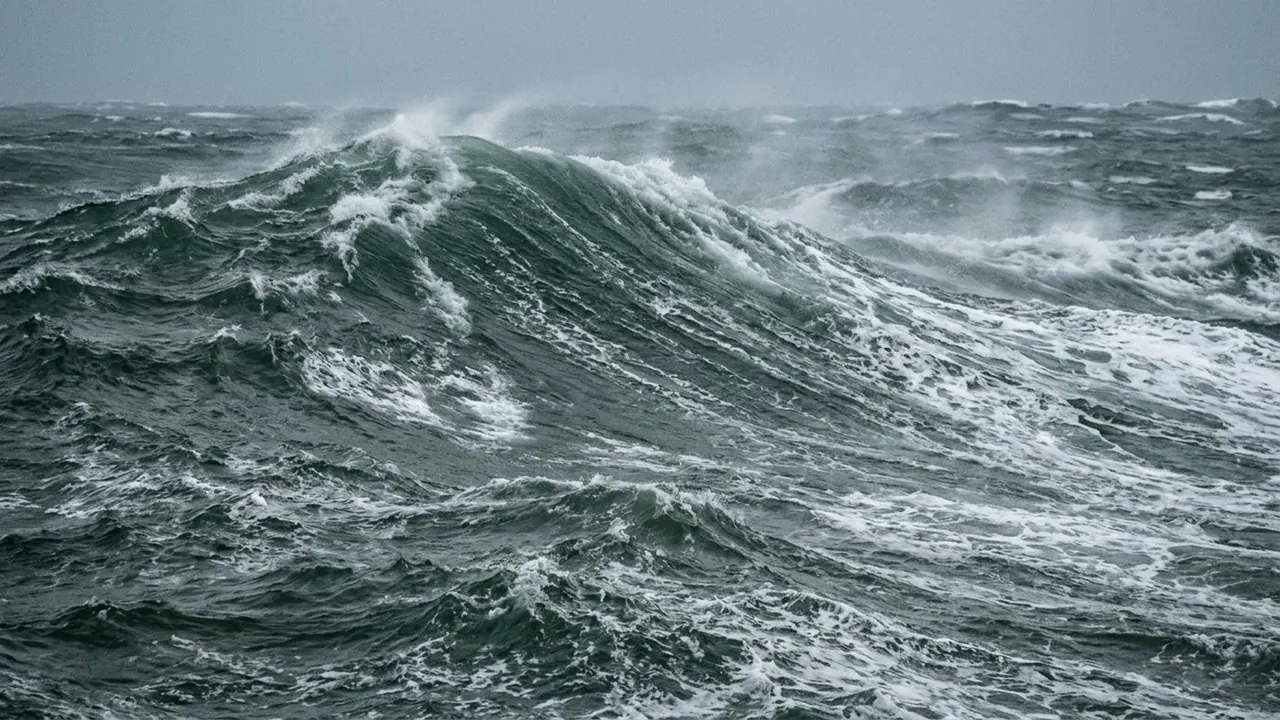
The ocean is the surface, with a horizon and swell. Underwater is below it, with shafts coming down and no horizon anywhere. The light direction settles it.
A pool has flat walls, a visible floor and clear water. Open water below the surface has no boundary at all and loses to blue in every direction.
On film
James Cameron built a flooded set for The Abyss (1989) and shot the sequences in water rather than simulating them, so the movement, the trailing cloth and the falloff into darkness all come from the medium itself.
- The Abyss (1989)
The prompt
Replace the blanks, keep the rest. Then run it on a video model.
underwater around <subject>, light shafts cutting down from the surface, particles suspended, slowed movement, blue-green falloff
What goes wrong
Everything moves at normal speed. Ask for the slowed movement explicitly, and add that hair and cloth trail behind the body.
The second failure is clear water holding full contrast to the back of frame. Say the particles are suspended, that contrast falls quickly with distance, and that the colour drops toward blue and green.
Leave out
surface, dry
Watch for
Ask for the slowed movement. Normal speed underwater looks like a dry set.
Questions
Shoot it
Pay for the one run. No subscription, and the price is on the model page before you sign in.